%20(1)_edited.png)
Authorship vs Planning: A Different Way to Design Events
Updated: May 18
Siam Planner Co., Ltd. Philosophy (Event Management Company)
Why We Do Not “Plan Events” — We Author Them in Thailand
Most event planners arrange things. We author experiences.
Siam Planner Co., Ltd. (Thailand Planner) exists because the global event industry accepted repetition as normal, shortcuts as efficiency, and decoration as creativity. Weddings became formats. Parties became noise. Corporate events became motivational clichés. Budgets grew — meaning shrank.

This platform was not built to sell packages, trends, or inspiration boards. It was built to challenge how events are conceived, designed, and remembered.
If you are looking for a checklist, a ballroom menu, or a copied idea — this page is not for you. If you believe a gathering can shape relationships, memory, culture, and future — stay.
This philosophy governs every event we touch: weddings, private celebrations, corporate summits, brand launches, VIP gatherings, and moments that do not yet have a name.
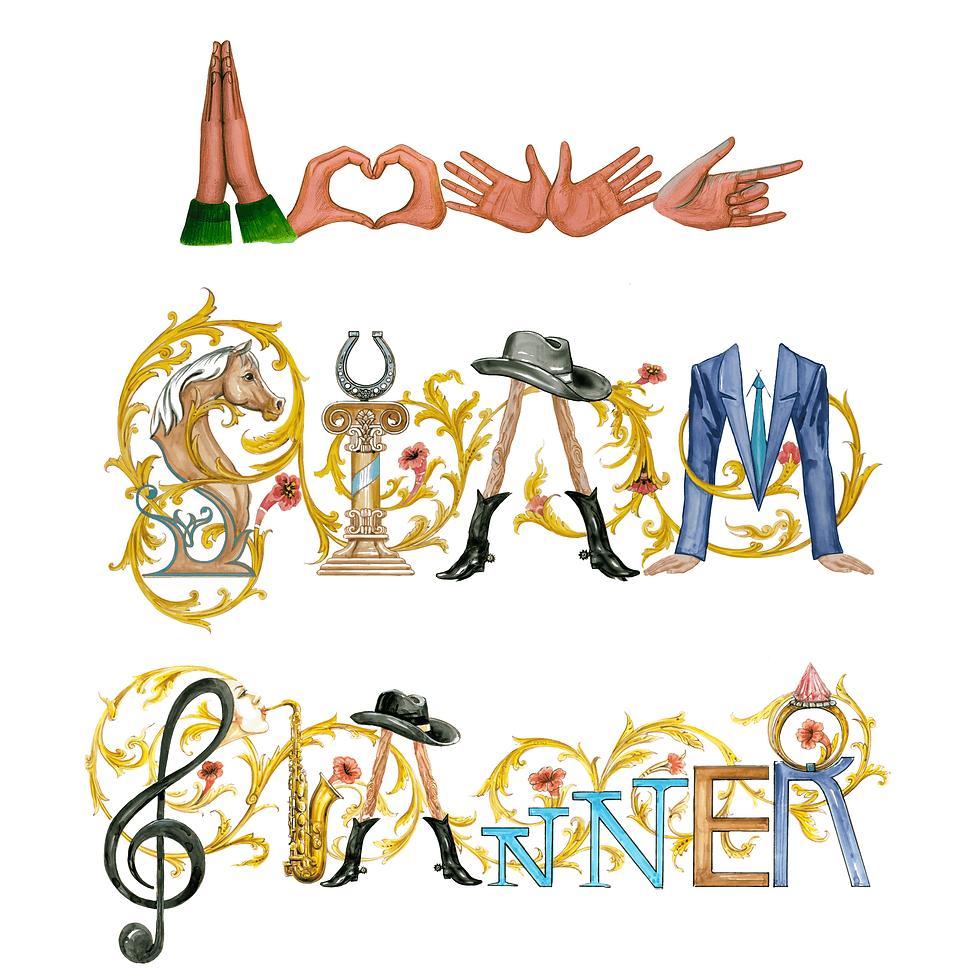
Chapter Summaries
What Siam Planner Is (And What It Refuses to Be)
Siam Planner Co., Ltd. exists because the event industry blurred lines it should never have blurred. Over time, event management was diluted into decoration, coordination was mistaken for authorship, and “planning” became a synonym for styling. We reject that confusion entirely.
We are not here to arrange things attractively. We are here to take responsibility for outcomes.
This section is not about what we offer. It is about what we stand on, and what we refuse to become, regardless of budget, trend, or pressure.

A licensed event management company, not a styling studio
Siam Planner is a legally registered Thai limited company, licensed for event management and related professional services. That statement matters — not for formality, but for accountability.
A styling studio focuses on appearance. An event management company is responsible for people, movement, risk, timing, culture, law, and consequence.
Styling studios decorate results. Event managers own them.
When something goes wrong at an event, decoration cannot fix it. Only management can.
We do not enter projects to select flowers, fabrics, or color palettes in isolation. We enter projects to design systems: how people arrive, how they move, how they interact, how pressure is absorbed, how emotions rise and fall, how cultures are respected, how risks are neutralized, and how memory is formed.
Visual beauty is one outcome of good management — not its definition.
That is why we refuse to be categorized as decorators, coordinators, or stylists. Those roles can exist inside a project. They cannot lead it.

Why “Thailand Planner” is a responsibility, not a brand name
“Siam” means Thailand.“ Thailand Planner” is not a marketing invention — it is a declaration of scope and responsibility.
Operating under the name Thailand Planner means we accept something most companies avoid: representation. When we design and manage events here, we are not just representing clients. We are representing Thailand itself — its culture, its hospitality, its rhythm, its limits, and its possibilities.
That responsibility affects decisions constantly:
how cultures are presented (or not presented)
how local partners are treated
how traditions are integrated without being exploited
how international expectations are translated honestly
Using Thailand’s name publicly means we cannot afford shortcuts. We cannot fake knowledge. We cannot exaggerate culture. We cannot hide behind imported aesthetics.
This is why all our platforms, decisions, and public communication are anchored at ThailandPlanner.com. It is not a domain choice. It is a statement: if we are going to do this, we do it openly and correctly.

Why we operate as a team, not personalities
You will not find founders’ names, creative directors’ faces, or personal branding narratives at the center of our work. That absence is intentional.
Events are not self-expression projects. They are service to people, moments, and meaning.
When a company is built around personalities, ego becomes structural. Decisions start serving visibility instead of outcome. Credit becomes more important than clarity. And eventually, the work bends around the individual — not the client.
We refuse that structure.
Internally and externally, we operate as the Thailand Planner Team. This does not mean anonymity. It means shared responsibility. No single person carries authorship alone, and no single person escapes accountability.
When something succeeds, it belongs to the team. When something fails, it also belongs to the team.
That balance keeps thinking honest.

Why ego has no place in authorship
Ego is loud. Authorship is quiet.
Ego wants recognition. Authorship wants coherence.
In events, ego shows up as:
over-designed moments that interrupt flow
performances that serve the performer, not the context
concepts that exist to impress, not to belong
These things look powerful on paper and feel wrong in reality.
Authorship requires humility — not as a moral idea, but as a practical one. To author something properly, you must listen more than you speak. You must observe before you decide. You must accept that the event is not about you at all.
That is why we actively design ego out of the process:
by involving clients continuously
by grounding decisions in context, not opinion
by measuring success through experience, not applause
The result is not quieter work — it is clearer work.

Why we centralized everything into one platform
Fragmentation is the enemy of clarity.
Most event companies scatter information, responsibility, and communication across emails, PDFs, vendors, personal chats, and disconnected websites. That fragmentation creates confusion, mistakes, and emotional stress — for clients, guests, and teams.
We refused that model.
All decisions, narratives, references, communication flows, and entry points are centralized through one platform. Not because it is convenient — but because it is disciplined.
This platform-first approach allows:
continuity of thinking
protection of original ideas
consistency across weddings, parties, corporate, and VIP events
direct communication without distortion
long-term memory beyond a single project
It also reflects how we think about events themselves: as systems, not occasions.
Nothing we do is isolated. Everything connects — before, during, and after.
This is what Siam Planner is. And just as importantly, this is what we will not become — no matter how the industry moves around us.

Why the Global Event Industry Is Failing (And Pretending It Isn’t)
The global event industry did not collapse. It settled.
It settled into habits that feel productive, look expensive, and repeat endlessly — while quietly draining meaning, intelligence, and responsibility from gatherings that once mattered deeply. The failure is not dramatic. That is why it is dangerous.
Most of the industry does not realize it is failing — because it is still busy, still profitable, still photographed.
But busy is not healthy. And profitable is not meaningful.

When high budgets coexist with low taste
The event industry today handles enormous budgets. Weddings, parties, and corporate events cost more than ever before — yet somehow feel thinner, emptier, and less memorable.
This contradiction is not accidental.
High budgets are being spent on volume, not thinking:
more flowers instead of better placement
more lights instead of better timing
more screens instead of better content
more performers instead of better context
Taste deteriorates when money replaces judgment.
When spending becomes the solution, intelligence leaves the room. Decisions stop being evaluated by why they exist and start being justified by how much they cost.
That is how an industry can look luxurious while feeling hollow.

Why Pinterest did more damage than inspiration
Pinterest did not ruin events by itself. It ruined them by removing responsibility from thinking.
What began as inspiration turned into substitution.
Instead of asking:
Who are these people?
What does this moment mean?
What fits this culture, place, and story?
People began asking:
Which image looks good?
Which setup has the most likes?
Which trend feels “safe”?
Pinterest rewards repetition, not relevance. Algorithms do not understand context — they amplify sameness.
Over time, planners stopped designing and started collecting. Clients stopped imagining and started scrolling. Events became assembled from borrowed visuals instead of authored from lived reality.
The result is an industry that looks inspired and thinks very little.

How education systems flattened weddings into categories
Formal education and online training promised professionalism. What they delivered was simplification.
To teach at scale, complexity was removed. Culture was compressed. Human difference was reduced into labels that fit slides and syllabi.
This created a generation of planners trained to recognize categories instead of people.
Once something is categorized, curiosity ends. Once curiosity ends, originality disappears.
Education did not fail by teaching too little. It failed by teaching too neatly.


There are over a billion people in India, hundreds of millions in China, dozens of cultures in the so-called “West” — yet the industry confidently reduces them to a handful of wedding types.
This is not efficiency. It is intellectual surrender.
Two couples from the same country can have:
different religions
different cities
different histories
different family dynamics
different values
Labeling them the same is not respectful — it is careless.
Culture does not live in flags. It lives in people, cities, families, and memory.
When planners rely on nationality labels, they stop listening. And when listening stops, events become stereotypes dressed in luxury materials.

Why repetition insults human history
Human history exists because nothing stayed the same.
If our ancestors repeated rituals without adaptation, cultures would have died. If families repeated ceremonies without meaning, traditions would have vanished.
Repetition without reflection is not tradition. It is decay.
When weddings, parties, and corporate events repeat the same structures year after year, they quietly tell people: your story is interchangeable.
That message is deeply wrong.
No two lives are the same. No two gatherings deserve the same shape.
To repeat without thinking is not safe. It is disrespectful — to the people, to the moment, and to history itself.
This is not an attack on the industry. It is a diagnosis.
And until the industry admits this failure, it will continue pretending that busy calendars and expensive visuals equal success.
They do not.

Authored vs Assembled: The Line Most Planners Never Cross
Most events in the world are not designed. They are assembled.
This distinction is uncomfortable for the industry, because it exposes something fundamental: assembling looks productive, feels professional, and delivers predictable results — but it does not create meaning.
Authorship does.
The difference between the two is not budget, scale, or style. It is who carries responsibility for the outcome.

What an assembled event really looks like
An assembled event is built by accumulation.
A venue is selected first. Then décor is added. Then entertainment is booked. Then food is chosen. Then a schedule is filled.
Each decision is made in isolation, often by different people, at different times, using references from previous events.
Nothing is technically “wrong.” Yet nothing belongs together deeply.
Assembled events rely on:
checklists
packages
vendor menus
“what usually works”
repetition disguised as experience
They are efficient. They are safe. They are forgettable.
Most importantly, assembled events have no author — only coordinators. When pressure appears, no one protects the core idea, because there was never a core idea to begin with.

Why authorship requires responsibility, not delegation
Authorship begins where delegation ends.
To author something means:
one thinking system holds the whole
decisions are connected, not scattered
compromises are redesigned, not absorbed blindly
responsibility is accepted end-to-end
Delegation distributes tasks. Authorship protects intent.
In authored events, responsibilities may be shared — but intention is not. Someone must carry the weight of why each element exists, and be accountable when reality challenges the idea.
Without that responsibility, creativity becomes decoration and management becomes reaction.

Why Olympic ceremonies are the closest comparison
Olympic opening ceremonies are not perfect — but they reveal something important.
They are not assembled from templates. They are authored.
Every movement, sound, light, and pause exists because someone decided it should — in relation to the whole, not in isolation. Even when thousands of people are involved, there is one narrative spine holding everything together.
That is why these ceremonies are remembered decades later, while most private events disappear within weeks.
Scale is not the lesson. Authorship is.
Weddings, parties, and corporate events deserve the same level of narrative responsibility — adjusted in scale, not in seriousness.

Why templates kill meaning
Templates promise safety. What they deliver is sameness.
The moment a template enters a project, thinking stops. Decisions are no longer evaluated by relevance, but by compatibility.
Templates:
reduce people to inputs
turn culture into options
replace listening with matching
They are efficient for production, but fatal for meaning.
When two events look the same, at least one of them lied about being unique.

Why control is not the enemy of creativity
The industry often confuses control with restriction.
In reality, control is what allows creativity to survive pressure.
Without control:
last-minute changes distort intention
strong personalities hijack moments
logistics override meaning
chaos replaces coherence
Control does not limit imagination. It protects it.
True freedom in events is not the absence of structure — it is the presence of the right structure.
When control is intelligent and invisible, creativity flows naturally. When control is missing, everything becomes reactive.
Most planners never cross this line because authorship is demanding. It requires thinking before acting, responsibility before decoration, and courage before convenience.
This is where Siam Planner stands — and why the gap between authored and assembled events continues to widen.

Events as a Human, Biological, and Cultural Act
Before events became products, they were instincts. Before planning became an industry, gathering was survival.
To understand why events matter — and why most modern ones feel empty — you have to step outside trends, budgets, and aesthetics, and return to why humans gathered in the first place.

Why humans gathered before they built cities
Humans gathered before they had permanent shelter.
Before cities, before borders, before written language, people came together to:
exchange safety
exchange food
exchange knowledge
choose partners
decide leadership
Gathering was not celebration. It was strategy.
It is how humans survived long enough to build cities at all.
That instinct never disappeared. It only changed shape.

Weddings and parties as survival mechanisms
Weddings were never only about love.
They were about:
alliance
continuity
trust between families
social stability
Parties were not entertainment. They were signals of abundance, safety, and cohesion.
When people gathered to eat, dance, and celebrate, they were saying: we are safe enough to do this together.
Modern events forget this purpose. Siam Planner does not.

Why evolution rejects copying
Evolution survives through variation.
If species copied themselves perfectly, they would collapse at the first environmental change. Humans survived because they adapted — culturally, socially, emotionally.
Copying in events contradicts evolution.
When weddings, parties, or corporate gatherings repeat without reflection, they stop adapting to the people inside them. They become fragile, not strong.
Originality is not creative ego. It is biological intelligence.

Why beauty is rooted in variation, not symmetry
No two fingerprints are the same. No two trees grow identically. No two human lives follow the same pattern.
Nature does not chase symmetry — it tolerates it. What it produces is variation.
Beauty in events comes from:
difference
contrast
imperfection
surprise
When events chase symmetry, they feel staged. When they allow variation, they feel alive.

Why ancestors still matter
Ancestors are not mythology. They are memory.
They represent:
where values came from
what was preserved
what was sacrificed
When events ignore ancestry completely, they float — disconnected from meaning. When they respect ancestry blindly, they freeze — disconnected from life.
Authored events hold both:
respect for what came before
responsibility for what comes next
A wedding should make ancestors proud — not because it looks traditional, but because it is considered.
Events are not trends. They are not products. They are human behavior expressed collectively.
When planners forget this, events become decoration. When planners remember it, events regain purpose.

What “Event Management” Actually Means Here
Event management, as it is commonly understood, has been reduced to coordination. Emails. Schedules. Vendors. Timelines. Checklists.
That reduction is not harmless. It is the root of why so many events feel stressful, fragile, and disconnected — even when they look beautiful.
At Siam Planner, event management means something far more demanding: holding the entire system together under pressure.

Why management matters more than décor
Décor is visible. Management is felt.
Décor can impress for a moment. Management determines whether people feel safe, calm, respected, and present.
An event fails long before guests notice flowers. It fails when:
people don’t know where to go
timing feels rushed or confusing
energy drops without reason
tension appears behind the scenes
decisions contradict each other
None of those failures are visual. All of them are management failures.
Décor is an outcome. Management is the cause.
Thinking like NASA, not like decorators
NASA does not launch rockets by decoration. They launch them by systems thinking.
Every variable is considered:
timing
redundancy
failure scenarios
human behavior under stress
environment unpredictability
Events deserve the same mindset.
When hundreds of people move, emotions peak, cultures intersect, weather changes, and timing compresses — this is not styling. It is complex system management.
Thinking like a decorator focuses on surfaces. Thinking like a systems engineer focuses on what breaks first.
That difference defines whether an event survives pressure gracefully or collapses silently.

Why under-skilled planning is dangerous
Events are high-risk environments pretending to be casual.
People gather. Alcohol flows. Movement increases. Cultural rules intersect. Legal responsibilities exist.
When under-skilled planners manage these conditions, the danger is not obvious — until it is.
Mistakes in events don’t always look dramatic. Often they look like:
guests feeling lost
families feeling disrespected
cultural moments mishandled
safety risks ignored
emotional harm done quietly
This is why experience alone is not enough. Thinking ability matters more than years.

Psychology, logistics, timing, and risk as one discipline
In real event management, these are not separate fields.
Psychology affects timing. Timing affects logistics. Logistics affect emotional safety. Safety affects risk.
Separating them creates blind spots.
That is why we design events as one continuous system, not a collection of departments. Decisions are evaluated not by efficiency alone, but by emotional and human impact.
When this integration works, guests feel calm without knowing why. When it fails, stress appears without explanation.

Why chaos is a failure of authorship
Chaos is not bad luck. It is unfinished thinking.
When events feel chaotic, it means:
intention was not clear
responsibilities were fragmented
decisions contradicted each other
no one protected the whole
Authorship prevents chaos because it creates a single line of responsibility. Someone — or one thinking system — must always know why this exists and what happens if it changes.
Chaos is not creative. It is expensive confusion.
Event management is not about controlling people. It is about protecting experience.
When management is done correctly, it disappears — and what remains is presence, beauty, and calm.

Our Method: From Intent to Execution (Without Panic)
Complex events fail not because they are complex — but because they are rushed into motion without alignment. Panic is not caused by pressure alone. Panic appears when decisions are made without a clear spine.
Our method exists to remove panic from the process — not by simplifying the work, but by ordering it correctly.
This is not a workflow. It is a way of thinking.

Step Zero: Fit & Intent Check
Before contracts, before concepts, before venues, there is a conversation.
This step exists for one reason: clarity.
We listen for intent — not preferences. We look for alignment — not excitement.
This stage allows us to understand:
why this event exists
what truly matters (and what doesn’t)
cultural sensitivity and expectations
timeline realism
decision-making structure
If the intent is unclear, no amount of creativity will fix it later.
This step protects everyone.

Why we refuse projects early
Refusal is not rejection. It is responsibility.
When fit is wrong, pressure appears later — as conflict, compromise, or disappointment. Saying “yes” to the wrong project does not help the client, and it weakens the work.
We refuse projects when:
expectations contradict reality
originality is not valued
speed is prioritized over thinking
responsibility is expected without authority
Early refusal prevents late regret.

Concept before logistics — always
Logistics answer how. Concept answers why.
When logistics lead, events become generic. When concept leads, logistics find solutions.
This stage defines:
the narrative
the emotional arc
the boundaries
what belongs — and what doesn’t
Only once this is clear do we move into production. Otherwise, logistics start dictating creative decisions — and authorship disappears.

Organization as service to the idea
Organization is not administration. It is protection.
Every supplier, schedule, budget line, and system is evaluated by one question: does this serve the idea?
If it doesn’t, it’s redesigned or removed — regardless of convenience.
Organization exists to hold the idea steady while reality shifts.

Execution as consequence, not performance
Execution is not the moment we “show off.” It is the moment everything quietly works.
If the earlier stages were done correctly, execution feels calm. Problems are absorbed, not announced. Guests experience flow — not effort.
Execution is not where creativity peaks. It is where discipline proves itself.
This method does not eliminate complexity. It contains it.
That containment is what allows beauty, emotion, and originality to emerge — without panic, without chaos, without noise.

Weddings Rewritten: Beyond the Ceremony
A wedding is not a day. It never was.
The industry reduced it to a ceremony because ceremonies are easy to sell, easy to photograph, and easy to repeat. But in doing so, it stripped weddings of their real function — and replaced meaning with format.
We do not design weddings as events. We design them as authored human transitions.

Why weddings are multi-day authored journeys
A wedding begins long before vows and ends long after guests leave.
It begins when people start preparing to travel. When families adjust schedules. When anticipation forms. When emotions quietly rise.
If all meaning is compressed into a single ceremony, the pressure becomes artificial — and the experience collapses under its own weight.
Multi-day weddings are not about extravagance. They are about natural pacing.
They allow:
arrivals to soften into presence
strangers to become familiar
elders to be respected gradually
children to feel included
emotions to rise without force
This is not indulgence. It is psychological accuracy.
To explore how we design and manage multi-day Indian destination weddings in Thailand, please visit our dedicated Indian Wedding page.

Why destination weddings are ancient, not modern
The idea that destination weddings are a modern luxury is historically false.
Humans migrated. They married away from where they were born. They formed families in unfamiliar lands.
Most weddings in human history were destination weddings.
What is modern is the idea that weddings must happen where people live now — even if their lives were shaped elsewhere.
Destination weddings are not about scenery. They are about intentional separation from routine.
When people travel, they arrive differently. They listen differently. They remember differently.
That shift is not optional. It is essential.

Guests as the real reason weddings exist
A wedding without guests is not a wedding. It is a private ritual.
Guests are not witnesses. They are participants in continuity.
Historically, guests:
formed alliances
strengthened family bonds
created future opportunities
became part of the couple’s support system
The modern industry treats guests as background. We treat them as infrastructure.
If guests are confused, tired, bored, or ignored, the wedding fails — regardless of how beautiful it looks.

Why family structures are rebuilt through weddings
Weddings reorganize families.
They introduce new hierarchies, redefine roles, and reset relationships. That process can strengthen families — or fracture them — depending on how the wedding is handled.
A well-authored wedding:
honors elders without freezing the future
empowers the couple without isolating them
allows families to realign with dignity
This is why planning weddings without understanding family psychology is reckless.
A wedding is not neutral. It changes people.

Why a wedding should not be repeatable
If a wedding can be copied, it was never authored.
Repeatability is useful for manufacturing. It is destructive to meaning.
No two families share the same history. No two couples carry the same story. No two gatherings deserve the same structure.
A wedding that could belong to someone else insults the people it was made for.
Our responsibility is not to make something that looks good again. It is to make something that cannot exist twice.
Weddings are not performances. They are transitions.
When designed with authorship, they become anchors — not just memories.

Destroying Wedding Clichés (One by One)
Clichés do not appear because people lack creativity. They appear because people avoid responsibility.
Every wedding cliché is a shortcut taken somewhere in the process — usually where thinking became uncomfortable, time became tight, or courage ran out. We do not attack clichés emotionally. We dismantle them logically.

Why “simple weddings” are intellectual shortcuts
“Simple” is often used to avoid explanation.
A truly simple wedding is deeply thought-through, stripped of anything unnecessary, and precise in intent. Most so-called simple weddings are not that. They are under-considered.
When people say they want a simple wedding, they often mean:
fewer decisions
less responsibility
less emotional exposure
But simplicity without intention creates emptiness.
We do not oppose simplicity. We oppose laziness disguised as simplicity.
If something is removed, we ask why. If something remains, it must earn its place.

Why cringe dances and poses exist
Cringe moments are not cultural. They are instructional.
People are taught that weddings require:
a dance
a pose
a performance moment
But no one asks whether the couple is actually suited to performing.
Most people are not dancers. Most people are not performers. Forcing them into performance creates discomfort — not joy.
These moments exist because planners default to formulas instead of asking harder questions.
We remove embarrassment by redesigning expression, not forcing it.

Body doubles, performers, and why authenticity matters
Authenticity does not mean “do everything yourself.”
It means the expression matches the truth.
If a couple loves dance but cannot perform it publicly, a body double can express what they feel without exposing them. If a story needs movement, trained performers can carry it with dignity.
This is not deception. It is respect.
Authenticity is not about visibility. It is about alignment.

Why attire should be museum-worthy
Wedding attire is not fashion. It is historical documentation.
Centuries later, clothing is how civilizations are remembered. If attire is disposable, the memory becomes disposable too.
Museum-worthy does not mean heavy or old-fashioned. It means considered — in material, silhouette, symbolism, and origin.
Attire should be able to sit behind glass one day and still make sense.
Why décor should never be disposable
Disposable décor is emotional waste.
Millions are spent each year on flowers, structures, and objects designed to be destroyed hours later. This is not luxury. It is carelessness.
We design décor to:
travel home
transform into art
become part of family space
live beyond the event
When décor survives, memory survives.
Clichés persist because they are easy. We remove them because we care what remains after the event ends.

Film, Photography & Memory (Why Most Weddings Age Badly)
Most wedding memories do not fail because technology was poor. They fail because thinking was shallow.
Cameras improved. Drones multiplied. Editing became faster. Yet wedding films and photographs became harder to revisit.
That is not a technical problem. It is a conceptual one.

Why wedding videos are usually unwatchable
Most wedding videos are designed to be impressive once — and unbearable twice.
They are built around:
forced highlights
generic music
predictable emotional beats
borrowed pacing
They compress a human transition into a promotional reel.
The problem is not length. It is intent.
These videos are not made to be lived with. They are made to be shown.
And anything made to be shown rather than remembered ages quickly.

Cinema vs “cinematic”
“Cinematic” is an aesthetic. Cinema is a discipline.
Cinematic weddings focus on:
shallow depth of field
slow motion
dramatic music
visual tricks
Cinema focuses on:
narrative
timing
silence
character
consequence
A wedding does not become cinema by looking like a movie. It becomes cinema by thinking like one.
That means deciding:
what story is being told
what should be seen
what should be left unseen
what moments matter only later
Most wedding films skip this entirely.
Documentary thinking vs posed imagery
Poses freeze people. Documentary thinking releases them.
The most powerful images in human history are not staged. They are moments caught while something else was happening.
Posed imagery exists because it is controllable. Documentary imagery exists because it is honest.
We do not remove direction — we remove performance.
When people stop performing for the camera, memory begins to form.

Why accidental moments matter more than direction
The moments people remember are rarely planned:
a look that lasted too long
a laugh that interrupted silence
a mistake that softened tension
a reaction no one expected
These moments cannot be scheduled. They can only be allowed.
Good event management creates the conditions for accidents to happen — and ensures the right eyes are present when they do.

Why memory must be edited, not recorded
Recording everything is not memory. It is noise.
Memory is selective. It gains power by omission.
That is why we treat post-production as authorship — not assembly. We decide what should live, what should fade, and what should only exist privately.
A well-edited memory grows stronger with time. A poorly edited one becomes embarrassing.
Weddings age badly when memory is treated as footage. They age well when memory is treated as story.

Art as Infrastructure, Not Decoration
In most events, art is added at the end.
A painting on a wall. Flowers on a table. Music during a moment.
That approach misunderstands what art actually does.
At Siam Planner, art is not an accessory. It is infrastructure — the invisible system that allows emotion, memory, and meaning to move safely through an event.

Why art is not objects
Objects are outcomes. Art is a decision system.
A sculpture is not art because it exists. It is art because it shapes how people move around it, notice it, or pause near it.
When art is treated as objects:
it becomes decorative
it competes for attention
it can be removed without consequence
When art is treated as infrastructure:
it guides flow
it anchors memory
it stabilizes atmosphere
it replaces instructions
Art, in this sense, is not something you look at. It is something you move through.

Food, light, timing, scent as art
Art does not stop at visuals.
Food is art because it triggers memory faster than sight. Light is art because it controls perception and safety simultaneously. Timing is art because it determines whether emotion lands or collapses. Scent is art because it bypasses logic entirely.
These elements are not enhancements. They are structural forces.
If food is wrong, people disconnect. If light is wrong, people rush or withdraw. If timing is wrong, nothing lands. If scent is careless, memory becomes confused.
Treating these as technical details instead of artistic decisions is how events lose coherence.

Why AI has no place in our core identity
AI can assist. It cannot author.
Our work is built on:
lived memory
cultural sensitivity
human imperfection
emotional intuition
AI produces averages. Authorship requires judgment.
We do not reject technology. We reject replacement of human thinking where meaning is at stake.
Core identity cannot be generated. It must be lived, tested, and carried by people.

Calligraphy, alphabet art, and legibility
Art does not need to confuse to be deep.
For centuries, art communicated clearly:
stories
warnings
beliefs
belonging
Our calligraphy and alphabet art do not exist to be decoded intellectually.
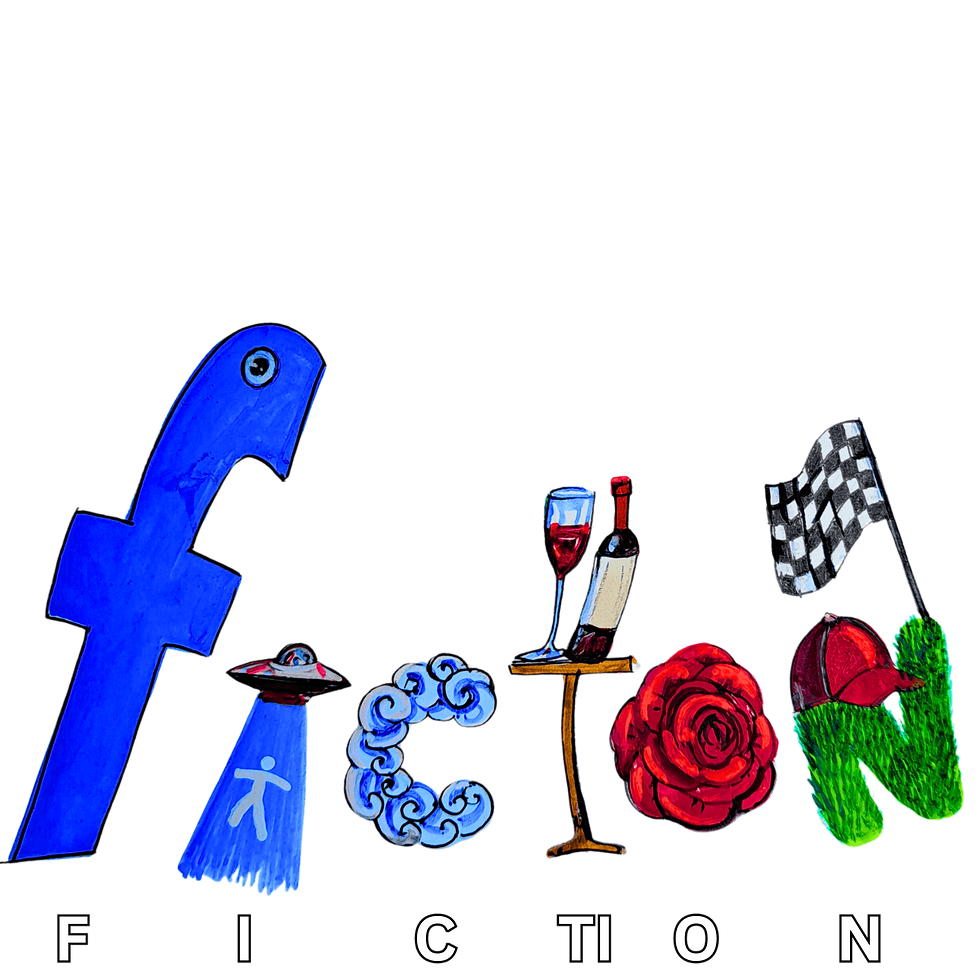
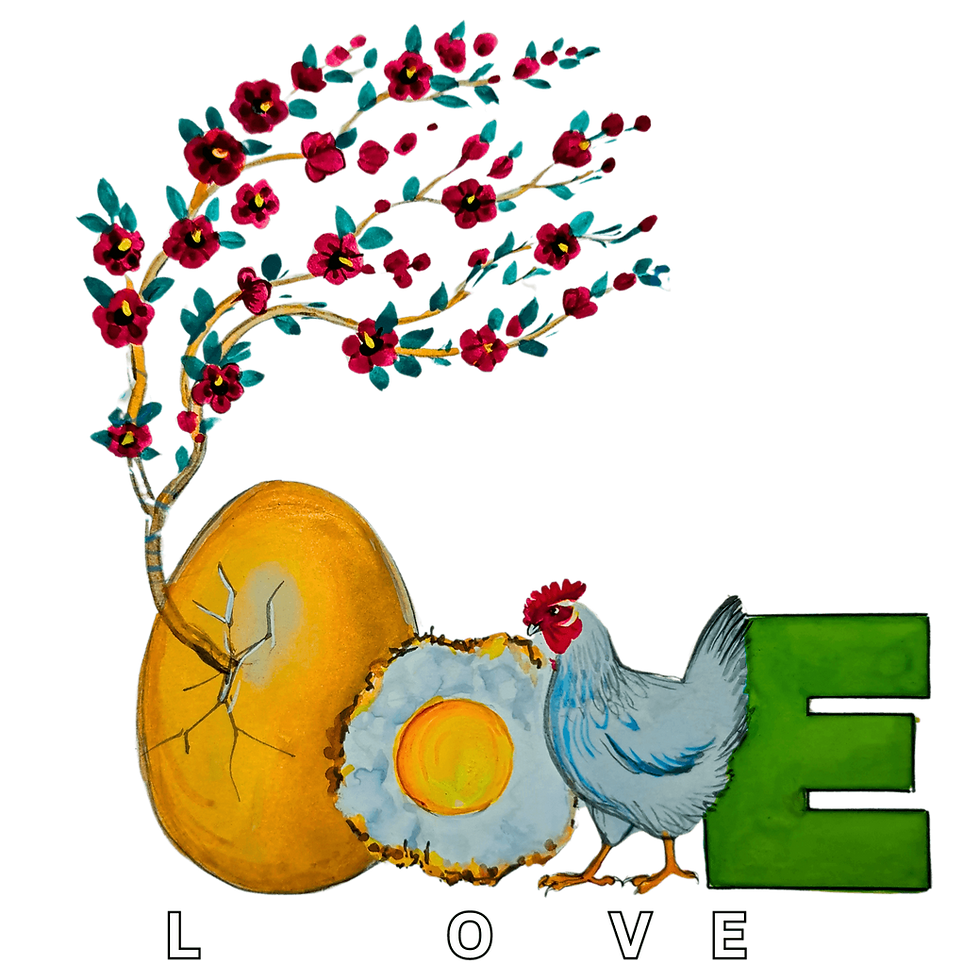
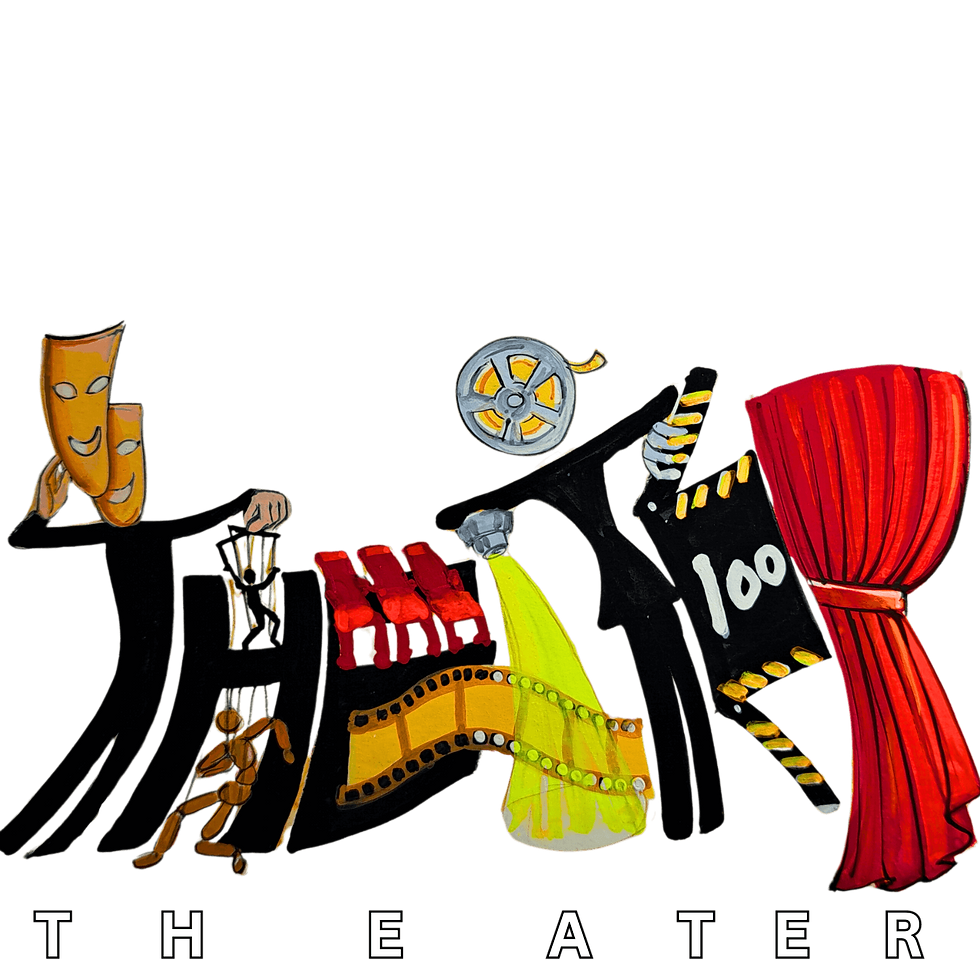
When art spells meaning directly — LOVE, WEDDING, PARTY, DINE, WINE — it removes ambiguity and invites participation.
Legibility is not simplicity. It is respect.
People should feel art, not work to understand it.

Why imperfection proves humanity
Perfect things feel manufactured. Imperfect things feel alive.
A hand-painted line carries hesitation. A human voice carries breath. A moment slightly mistimed carries truth.
Imperfection is not a flaw. It is evidence of presence.
In a world moving toward replication and automation, imperfection is the final proof that something was made for someone, not for everyone.
It carries meaning where words fail. It replaces instruction with intuition. It turns structure into experience.

Guests: The Forgotten Center of Every Event
Most events are designed around hosts. Most memories are carried by guests.
This imbalance explains why so many gatherings look impressive and feel forgettable. Hosts experience control; guests experience reality. If guests disconnect, the event fails — regardless of how satisfied the host believes they should be.
At Siam Planner, guests are not an audience. They are the living infrastructure of the event.

Why guests matter more than hosts long-term
Hosts remember effort. Guests remember experience.
Years later, hosts recall stress, decisions, and responsibility. Guests recall whether they felt welcomed, seen, confused, moved, or ignored.
It is guests who:
retell the story
shape the reputation
carry the memory into other families, companies, and cultures
An event that satisfies a host but exhausts guests is not successful. It simply delayed its failure.
Long-term impact is guest-held, not host-owned.

Designing journeys, not schedules
Schedules are technical. Journeys are psychological.
A schedule tells people what happens when. A journey answers how it feels to move through it.
Guests do not experience time as blocks. They experience it as:
anticipation
arrival
pause
release
fatigue
renewal
When events are designed as schedules, guests feel rushed or bored. When events are designed as journeys, guests feel guided — even without noticing how.
We design:
when energy rises
when silence is allowed
when movement slows
when attention is required
when nothing should happen
That is not planning logistics. That is planning experience.

Arrival, energy, and pacing
Arrival sets the emotional baseline.
If arrival is rushed, confusing, or impersonal, the event starts in deficit. No performance or décor can recover that loss.
Guests need time to:
transition from travel
adjust socially
orient emotionally
feel safe
Energy must be paced, not forced.
Constant stimulation creates exhaustion. Constant calm creates disengagement. The balance lies in intentional rhythm — something most planners never consider.

Children, elders, silence, and dignity
Events often fail by designing for one demographic.
Children are ignored or overstimulated. Elders are sidelined or rushed. Silence is treated as emptiness.
These are not oversights. They are value judgments.
We treat:
children as emotional barometers
elders as structural anchors
silence as a necessary ingredient
When children are comfortable, families relax. When elders are respected, dignity spreads. When silence is allowed, meaning lands.
An event that only works for one age group works for no one.

Why personalization beats luxury
Luxury impresses briefly. Personalization lasts.
Guests do not remember brand names. They remember moments where they felt considered — even in small ways.
Personalization is not excess. It is accuracy.
It might appear as:
food that recalls home
language that includes
timing that respects limits
gestures that acknowledge presence
These things cannot be bought in bulk. They must be designed.
True hospitality is not abundance. It is attention.
Guests are not secondary. They are the medium through which events live or die.
When guests feel guided rather than managed, considered rather than impressed, calm rather than overwhelmed — the event succeeds quietly, and powerfully.

Corporate & Strategic Events (Same Standards, Different Stakes)
Corporate events are often misunderstood as scaled-up parties. They are not.
They are moments where organizations reveal how they think — whether intentionally or not. Every decision communicates something: hierarchy, clarity, confidence, insecurity, or confusion.
At Siam Planner, we apply the same authorship standards to corporate events as we do to weddings — because the stakes are different, but the responsibility is identical.

Corporate events as expressions of thinking
A corporate event is a public act of thinking.
How leadership speaks. How employees are positioned. How silence is handled. How conflict is avoided or addressed. How time is respected.
These are not neutral choices.
An event reveals whether a company:
understands itself
respects its people
values clarity over noise
prioritizes direction over display
No amount of entertainment can hide poor thinking. It only delays its exposure.

Why templates destroy corporate culture
Templates flatten nuance.
They impose structures that were never designed for that company, that team, that moment. Over time, they replace intention with habit and culture with imitation.
When corporate events rely on templates:
leadership becomes performative
employees disengage quietly
messaging loses credibility
memory fades quickly
Culture cannot be copied. It must be expressed.
That expression requires authorship — not formats.
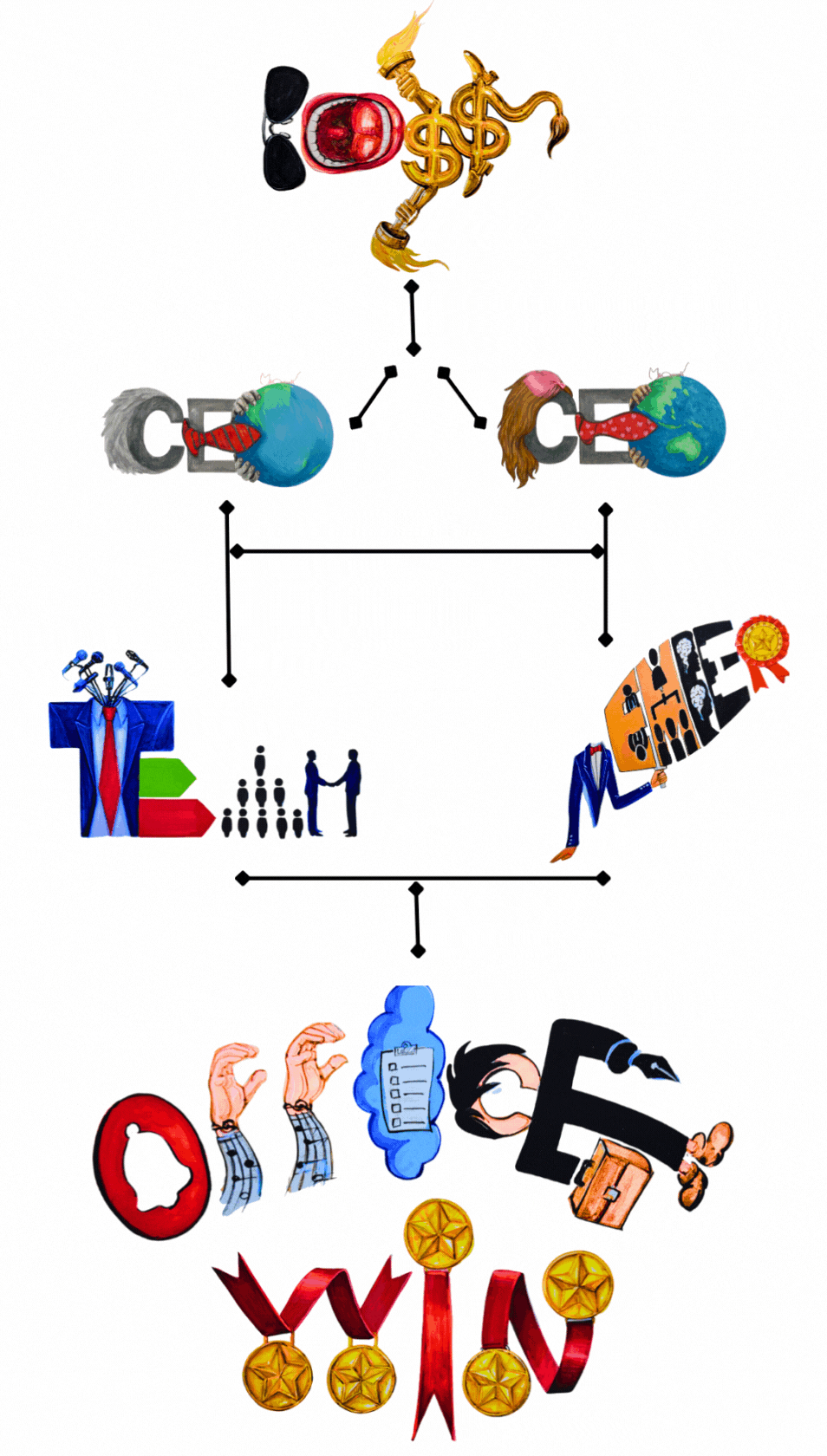
Alignment over entertainment
Entertainment distracts. Alignment endures.
Corporate events fail when they try to energize without clarifying direction. People may feel excited for a moment, but confusion returns the next day.
We do not design events to motivate temporarily. We design them to align permanently.
Alignment means:
people understand why they are there
messages are consistent across levels
decisions feel coherent, not contradictory
energy supports direction, not replaces it
Entertainment may appear — but only when it serves alignment, never instead of it.
Why leadership psychology matters
Corporate events amplify leadership behavior.
What leaders say matters less than:
how they listen
where they stand
when they speak
what they allow to happen
Psychology determines whether people feel:
safe to engage
trusted to think
respected as adults
Events that ignore leadership psychology become expensive theatre. Events that understand it become turning points.

Memory as the real KPI
Attendance is not a metric. Applause is not a metric. Social media reach is not a metric.
Memory is.
What do people remember a year later?
clarity or confusion
respect or manipulation
purpose or noise
That memory influences behavior far longer than the event itself.
We design corporate events to leave clear memory, not temporary excitement.
Corporate events are not celebrations. They are declarations.
When designed with authorship, they quietly shift how organizations think, act, and move forward.

VIP, Private & Ultra-Sensitive Events
When visibility disappears, only discipline remains. When applause is irrelevant, only responsibility matters.
This is where many planners fail — not because the work is harder, but because there is nothing to hide behind.

Why VIP does not mean loud
Loudness is insecurity.
True VIP environments are defined by:
calm
precision
absence of friction
absence of spectacle
People who live with visibility daily do not seek more of it. They seek relief from it.
We design VIP events to reduce noise — visual, social, logistical, and emotional — not to amplify it.
Silence is not emptiness. It is control.

Privacy as design, not promise
Privacy is not achieved by signing NDAs or making verbal assurances.
Privacy is designed structurally:
through spatial planning
through arrival and exit choreography
through information compartmentalization
through controlled visibility
If privacy depends on trust alone, it is already broken.
We design environments where privacy exists by default, not by request.
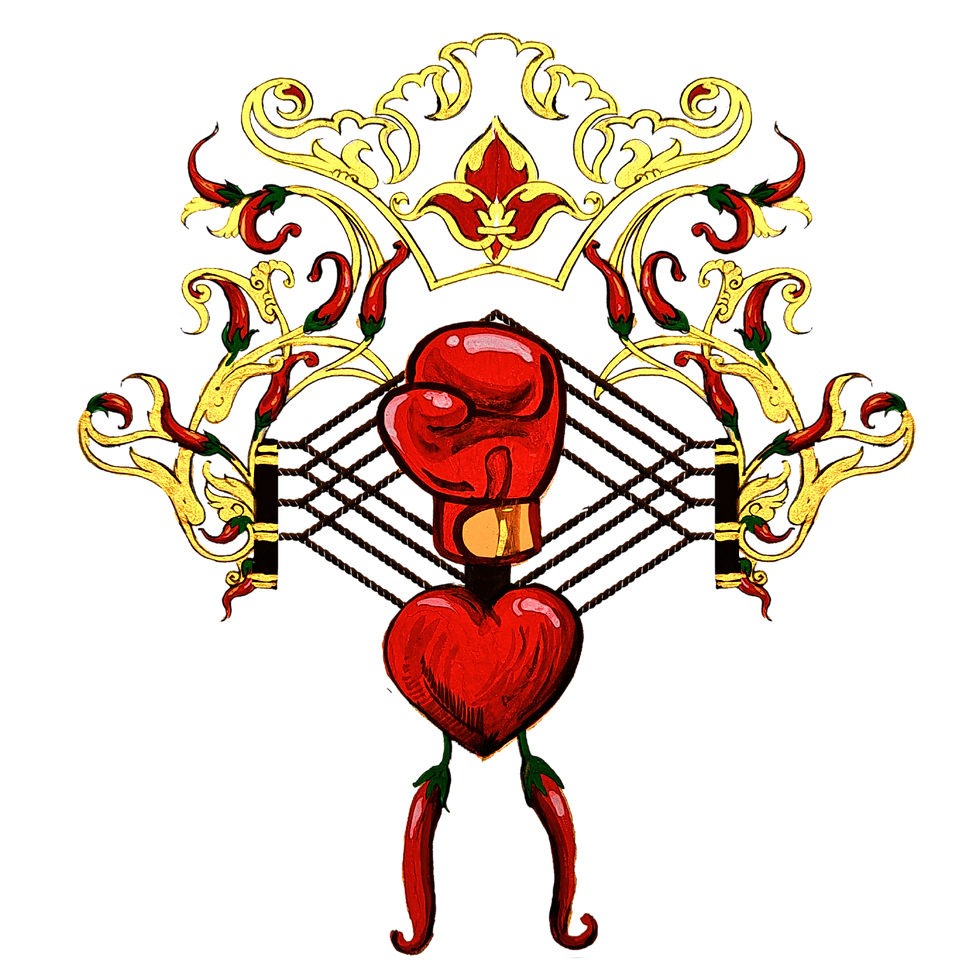
Invisible security and visible calm
Security that announces itself creates tension. Security that disappears creates safety.
Our approach prioritizes:
early risk mapping
discreet positioning
behavioral awareness
calm response readiness
Guests should never feel watched. They should feel unconcerned.
When security is done correctly, no one remembers it was there.

Why discretion is ethical, not optional
Discretion is not a service tier. It is a moral obligation.
Private lives, sensitive negotiations, family dynamics, and personal histories are not content. They are not assets. They are human boundaries.
We do not document without consent. We do not publicize without permission. We do not reference without necessity.
If discretion is negotiable, integrity is already compromised.
Trust over exposure
Exposure benefits companies. Trust benefits people.
We choose trust.
Many of our most meaningful projects will never appear online, never be photographed publicly, and never be referenced by name. That absence is not a loss.
It is proof of alignment.
VIP parties are not about privilege. They are about responsibility under silence.
When everything unnecessary is removed, what remains must be correct.

Thailand: Not a Backdrop, a Collaborator
Thailand is not a neutral setting where events are placed. It is an active force that shapes how events behave, breathe, and succeed.
Treating Thailand as a backdrop is how events become shallow, awkward, or culturally careless. Treating Thailand as a collaborator is how events gain depth, rhythm, and legitimacy.
This difference defines everything we do here.

Why Thailand enables authorship
This country is not rigid. It does not force one way of working, one rhythm of time, or one definition of formality. That flexibility is not weakness — it is intelligence developed over centuries of cultural exchange.
Authored events require:
fluidity
responsiveness
respect for context
ability to redesign in real time
Thailand supports this naturally.
Here, solutions are shaped rather than imposed. People adjust. Systems bend. Hospitality absorbs complexity without confrontation.
This makes Thailand uniquely capable of hosting events that are not pre-packaged, not standardized, and not forced into imported formats.

Hospitality vs service culture
Service culture follows instructions. Hospitality reads the room.
In service culture, success is measured by procedure. In hospitality culture, success is measured by how people feel without being told.
Thai hospitality operates intuitively:
it anticipates rather than reacts
it adjusts rather than argues
it prioritizes harmony over enforcement
This matters deeply in events.
Authored events require people who understand when not to intervene, when to soften rules, and when to protect dignity quietly. Thailand’s hospitality culture supports this instinctively.
That is not something that can be trained quickly. It is lived.

Seasons, weather, geography as tools
In Thailand, weather is not a risk to avoid. It is a design variable.
Seasons dictate rhythm. Light dictates timing. Humidity dictates material choice. Geography dictates movement.
Ignoring these realities creates fragile events. Designing with them creates resilience.
We do not fight Thailand’s environment. We choreograph with it.
When weather changes, the event adapts — not panics. When geography limits something, it redirects intention — not compromises meaning.
This approach turns unpredictability into advantage.

Why venue menus are a trap
Menus exist to protect venues, not to serve narratives. They prioritize efficiency, repetition, and internal systems.
Authored events require the opposite:
flexibility
customization
narrative alignment
human pacing
Choosing from a menu means accepting someone else’s assumptions about what an event should be.
We do not start with venues. We start with intention.
Venues are selected — or reshaped — only when they serve the story, not when they simplify decision-making.

Why Thai culture must never be exoticized
Exoticizing culture turns living people into decoration.
It reduces tradition into symbols, gestures, or performances designed for foreign consumption. This is not celebration. It is distortion.
We do not “add Thai culture” to events.
Thai culture appears through:
proportion
rhythm
behavior
restraint
respect
Not through forced imagery or staged clichés.
If an element exists only to be photographed, it does not belong.
Thailand deserves accuracy, not exaggeration.
Thailand does not decorate our events. It co-authors them.
When place is treated with intelligence, events gain legitimacy. When it is treated as a backdrop, events collapse into imitation.

Ethics, Refusal & Non-Negotiables
Every company claims values. Very few build systems that make breaking them impossible.
Ethics at Siam Planner are not statements. They are constraints — rules that limit what we can accept, how we operate, and when we walk away.
This section exists because refusal is as important as capability.

Why we refuse commissions
Refusal is not a failure to sell. It is a responsibility to protect outcome.
We refuse projects when:
expectations cannot be met honestly
speed is demanded at the cost of thinking
originality is treated as decoration, not structure
cultural accuracy is negotiable
authority is expected without accountability
Accepting the wrong project does not help the client. It only delays disappointment.
Saying no early is the most respectful act we can offer.

Vendor-agnosticism as protection
Vendor-agnosticism is not neutrality. It is protection.
When planners earn commissions from vendors, decision-making becomes compromised. Budgets are distorted. Creativity bends around profit structures.
We do not design events to fit vendors. We assemble vendors to serve the event.
This protects:
the client’s interest
budget clarity
creative integrity
long-term trust
If a vendor is right, we use them. If they are not, we move on — regardless of relationships.

Why we pause instead of pretending
Not knowing is not weakness. Pretending is.
When a project touches a culture, ritual, or context we do not fully understand, we pause. We research. We consult. We bring in people who live that reality daily.
We do not rely on memory. We do not rely on internet summaries. We do not improvise culture.
Pausing protects dignity.

Redesign over compromise
Compromise often sounds reasonable. In practice, it destroys coherence.
When constraints appear — budget, time, regulation — we do not dilute ideas. We redesign them.
That means:
reducing scale without losing meaning
changing form without losing intent
removing elements rather than faking them
A smaller honest idea is stronger than a large compromised one.
When we would rather close than betray values
There are lines we do not cross:
misleading clients
imitating others’ work
exploiting culture
hiding financial structures
placing profit above human respect
If operating requires crossing those lines, the company no longer deserves to exist.
Survival without integrity is not success. It is erosion.
Ethics do not slow us down. They stabilize everything we build.
They are why people trust us with moments that cannot be repeated.

Legacy: Why We Exist Beyond This Generation
Siam Planner was not created to win a market cycle. It was created to hold a line — a line of thinking, responsibility, and restraint — across time.
Legacy, for us, is not scale. It is continuity of standards.

Elevation over domination
We are not interested in replacing the industry. We are interested in raising its floor.
Domination creates imitation. Elevation creates reflection.
If others begin to think more carefully about culture, guests, authorship, and responsibility because we existed, then the work has already extended beyond us.
Change that spreads quietly lasts longer than change that announces itself.
Why growth must never simplify thinking
Most companies grow by removing friction. Friction is where thinking lives.
When growth demands faster decisions, fewer questions, and simplified frameworks, meaning erodes. The work becomes repeatable — and eventually forgettable.
We allow growth only where thinking can remain intact.
If expansion requires us to stop asking why, we stop expanding.

Management can scale, authorship cannot
Systems scale. People scale. Infrastructure scales.
Authorship does not.
Authorship remains central, close, and protected — regardless of how large operations become. That is not a limitation. It is a safeguard.
Without it, everything eventually turns into process.

Mentorship through exposure
We do not teach philosophy. We demonstrate it.
People who work with us learn by being inside decisions — seeing how pressure is handled, how shortcuts are refused, how ideas are protected, and how responsibility is carried quietly.
Exposure shapes judgment more deeply than instruction ever could.

Why being the final choice is the promise
We do not aim to be an option. We aim to be the end of the search.
Not because we do everything — but because what we do is done with care, depth, and responsibility.
The final choice is not about preference. It is about relief.
Relief that something important is now in the right hands.
Siam Planner does not exist to be known. It exists to be trusted, remembered, and respected — long after trends, platforms, and names change.
That is the only kind of legacy worth building.

If you’ve taken the time to read this entire piece, thank you. This philosophy is not written for quick browsing or algorithms. It exists to be read slowly, questioned, and felt.
Everything described here is how we actually work — not an ideal, not a manifesto, not a marketing layer added afterward.
If you would like to explore whether this way of thinking fits what you are planning, you are welcome to reach out.
You may contact us directly for a free initial consultation or idea exchange
You may use our short contact form if you prefer a simple first step
Or, if you already know what you are planning, you can choose a dedicated enquiry form for:
We work across Thailand, including Bangkok, Phuket, Chiang Mai, Koh Samui, and other destinations depending on the nature of the project.
All artwork you’ve seen throughout this article is hand-painted by our team. None of it is AI-generated. None of it is stock. These artworks are part of how we think, not decoration added afterward.
If you are looking for a planner who combines creative authorship with serious event management, the Thailand Planner Team — operating under Siam Planner Co., Ltd., a registered and licensed event management company in Thailand — is ready to speak with you.
Whether the conversation leads to a project or simply clarity, we believe both outcomes are valuable.
About Thailand Planner
Thailand Planner operates under Siam Planner Co., Ltd., a registered event management company in Thailand, established in 2022.
We are based in Bangkok and work across Thailand, including Phuket, Chiang Mai, Koh Samui, and other destinations depending on the nature of each project.
The company is registered with the Department of Business Development (DBD), Thailand, and operates with full professional accountability for the events we design and manage.
For direct communication or private enquiries, our team can be reached via WhatsApp or email.
VIP & high-complexity enquiries: VIP@siamplanner.com
WhatsApp: +66 61 678 0000
Access our long-form planning manuals covering Destination Weddings, VIP Private Parties, and Corporate Event Systems in Thailand.

