%20(1)_edited.png)
The Siam Planner Method: Philosophy of Bespoke Wedding, Corporate & Event Management in Thailand
Identity, Structure & Why Siam Planner Exists as a System (Not a Personality)
Siam Planner Co., Ltd. is a legally registered Thai limited company, based in Bangkok, operating under official event management and related service licenses. That is the formal definition. But legally correct descriptions are never enough to explain how something actually works.
Operationally, Siam Planner does not function like a typical event agency. We do not sell packages, we do not divide work into disconnected departments, and we do not separate “creative”, “sales”, and “operations” roles. We operate as one system. Thinking, planning, cultural research, art, logistics, guest experience, risk, timing, and responsibility all exist inside the same structure. There is no handover from one department to another, because nothing meaningful survives handovers.
While our philosophy and method are unified, their application is never generic. Thailand is not one environment, and our system adapts differently depending on geography, culture, logistics, and human flow. This is why our work is executed through dedicated city and destination frameworks — each grounded in the same core method, but translated into local realities.
Our planning system is actively applied in Bangkok (urban, diplomatic, infrastructure-heavy events), Phuket (island, nature-driven destination weddings), Chiang Mai (heritage, landscape and slower ceremonial rhythm), Koh Samui (private villas, beaches and discreet luxury), and Hua Hin (royal-era calm, long-stay guests and understated elegance). Each location requires different decisions, risks, and design logic — but never a different philosophy.
These destination-specific implementations can be explored here: Bangkok Wedding Planner, Phuket Wedding Planner, Chiang Mai Wedding Planner, Koh Samui Wedding Planner, and Hua Hin Wedding Planner — all operating under the same authored Siam Planner system.
This is why we describe what we do as event management, not event decoration, not wedding styling, and not coordination. Management means owning the whole picture. If something affects the event, it belongs to us. There is no “that’s not our part”.
Because of this diversity, no single page can responsibly explain how events are planned everywhere in Thailand. Urban weddings in Bangkok, island celebrations in Phuket or Samui, mountain-framed ceremonies in Chiang Mai, and long-form gatherings in Hua Hin each impose different constraints and opportunities. Our philosophy page explains how we think; our destination pages show how that thinking becomes reality in each place.
The company is registered in Thailand because Thailand is not just a destination — it is a host culture. Hospitality here is not trained behavior; it is lived behavior. Flexibility, patience, adaptability, and respect are natural, not enforced. At the same time, Thailand offers rare diversity within one country: major cities, islands, beaches, mountains, heritage towns, modern venues, nature, silence, and intensity. This allows us to design journeys, not isolated events. Our work requires deep understanding of Thailand, and long-term presence. This is not a place we rent; it is a place we are rooted in.
The word “Siam” reflects this grounding. It refers to Thailand beyond tourism language — history, mentality, rhythm, and behavior. It reminds us that our responsibility is cultural, not cosmetic. At the same time, we operate publicly as Thailand Planner for clarity. “Thailand Planner” is not a poetic brand name; it is a responsibility. If we claim that name, then everything we do must deserve it. That is why ThailandPlanner.com exists as the single core platform for all philosophy, decisions, and communication. Fragmentation weakens thinking. One platform keeps standards intact.
Over time, multiple domains were developed — SiamPlanner, SiamGuest, VIPLanner, VIPPuzzle, Meow Walk — each with a specific purpose. But philosophy cannot be split without loss. All thinking is centralized into one core ecosystem, with supporting platforms serving it, not leading it. Growth is allowed; confusion is not.
Siam Planner also intentionally avoids presenting individual founders, directors, or personalities. Events are not about personal ego. Once a face becomes the brand, attention shifts from work to character. We reject “star planners” and personality-driven leadership. Instead, we operate and communicate as Thailand Planner Team. Internally, this means no hiding behind titles. Everyone must understand the whole system. Externally, it means clients are supported by a structure, not dependent on a person’s mood, availability, or reputation.
Removing individual titles increases accountability rather than reducing it. Ideas survive by logic, not authority. Creativity becomes quieter, deeper, and more disciplined. Clients feel continuity and stability — the system remains, even under pressure. This structure is immediately understood by independent, culturally aware clients who value outcomes over image. Those looking for fast answers, famous faces, or packaged solutions usually struggle with it — and we are honest about that early.

1. What is Siam Planner Co., Ltd. in legal and operational terms?
Siam Planner Co., Ltd. is a legally registered Thai limited company, based in Bangkok, licensed for event management and related services. That’s the legal part.
Operationally, we are not a normal event company. We don’t work like agencies, we don’t sell packages, and we don’t separate things into “creative team,” “sales team,” or “operations team.”
We operate as one system. Thinking, planning, culture, art, logistics, guests, risk, timing — all sit inside the same structure. There is no handover from one department to another. Everything is connected.
That’s why we call ourselves event management, not event decoration, not wedding styling, not coordination.
2. Why was the company registered in Thailand rather than elsewhere?
Because Thailand is not just a destination — it’s a host culture.
People here understand hospitality naturally. Not trained hospitality — real hospitality. Flexibility, patience, softness, respect, adaptability. That matters more than infrastructure.
Also, Thailand gives access to everything in one country: cities, islands, beaches, mountains, heritage towns, modern venues, nature, chaos, silence. That allows us to design journeys, not just events.
We understand Thailand deeply. We also understand world cultures. That combination is rare. That’s why Thailand fits us — and why we fit Thailand.
3. What does the word “Siam” represent in your brand identity?
Siam means Thailand — but not the tourism version.
It’s the deeper Thailand. History, culture, mentality, behavior, rhythm. Before trends, before Instagram, before selling the country as a product.
Using “Siam” is a reminder — to us first — that we are rooted here, not renting the place.
4. Why do you operate publicly as Thailand Planner rather than Siam Planner alone?
Because clarity matters.
Thailand Planner immediately tells people what we are responsible for. It’s not poetic. It’s direct. If we use the name “Thailand Planner,” then we must deserve it.
“Siam Planner” is our company name. “Thailand Planner” is our responsibility.
That’s why we own and operate ThailandPlanner.com as the main platform.
5. Why is ThailandPlanner.com the primary platform for all decisions and communication?
Because fragmentation kills thinking.
We don’t want five different websites saying five different things with five different tones. That creates confusion, ego, and shortcuts.
ThailandPlanner.com is where:
philosophy lives
decisions live
services live
communication starts
Even the website structure itself reflects how we think — app-like, button-based, not traditional pages, not scrolling nonsense.
The site is not decoration. It’s part of the system.
6. What other domains does Siam Planner Co., Ltd. own and why were they unified?
We own:
Each had a reason. Guests. VIPs. Global planner directory. Art and gift shop.
But over time, we realized something important: If philosophy is split, quality drops.
So we unified everything under ThailandPlanner.com as the core. Other platforms exist, but they don’t lead. The thinking leads from one place.
7. Why did you decide to centralize multiple brands under one core platform?
Because we don’t build brands for fun — we build systems.
When brands grow separately, they start copying each other, lowering standards, or chasing different goals. That’s how identity dies.
Centralizing means:
one brain
one standard
one philosophy
one responsibility
Growth is allowed. Confusion is not.
8. Why does Siam Planner avoid presenting individual founders or directors publicly?
Because events are not about personalities.
Once you put a face, title, or ego in front, people stop listening to the work and start following the person. That’s dangerous.
We don’t want:
“star planners”
“celebrity designers”
“founder worship”
We want clarity, responsibility, and results.
9. What does “Thailand Planner Team” mean internally and externally?
Internally, it means no hiding.
Everyone must understand the whole picture, not just their task. No one says, “That’s not my department.”
Externally, it means clients are not dealing with a salesperson or a personality. They’re dealing with a thinking body.
That gives stability. Even under pressure.
10. How does removing individual titles affect accountability and creativity? It increases both.
It increases both.
When there’s no “creative director” to blame or praise, ideas must survive logic, not authority. Weak ideas die early. Strong ideas improve.
Creativity becomes quieter, deeper, and more serious — not performative.
11. How does this collective identity influence client trust?
Clients feel continuity.
They don’t worry that:
someone disappears
someone changes mood
someone leaves the company
The system stays. The thinking stays. The responsibility stays.
That builds trust faster than charm.
12. Why do you believe events should not be associated with personal ego?
Because ego kills curiosity.
And without curiosity, you can’t design anything original.
Events require listening — to people, cultures, timing, guests, risks. Ego interrupts all of that.
13. How does team-based authorship differ from agency-style leadership?
Agency leadership is about:
hierarchy
sales
presentation
Our authorship is about:
intent
responsibility
outcome
Leadership changes depending on the situation. Whoever understands the problem best leads that moment.
14. What kind of clients understand this structure immediately?
Clients who are:
independent thinkers
culturally aware
not impressed by noise
focused on outcome, not image
They don’t need explanation. They feel it.
15. What kind of clients struggle with it?
Clients who want:
fast answers
packages
famous faces
Instagram weddings
That’s not wrong — it’s just not us.
And we’re honest about that early.

Why the Global Event Industry Failed Before Siam Planner Was Born
Siam Planner was not created because of dissatisfaction with one weakness in the event industry. It was created because almost everything felt wrong at the same time.
This is one of the most expensive industries in the world. Weddings, corporate events, destination celebrations, private parties — people spend once-in-a-lifetime money, or strategic company budgets, expecting meaning, care, and responsibility. Yet the outcomes are often tasteless, repetitive, shallow, and careless. Big budgets are matched with very small thinking.
The feeling was similar to walking into the most famous restaurants in the world, only to be served food that smells bad and tastes worse — while everyone still claps because the name is famous. Reputation replaced responsibility. Applause replaced standards.
Weddings became the clearest lens through which this failure was visible. A wedding is one of the few moments where culture, family, history, money, emotion, and future collide in one place. If an industry can be careless there, it is careless everywhere. Couples were spending a lifetime of savings, yet receiving copy-paste results: the same décor, the same schedules, the same poses, the same music, the same emotional beats — regardless of who they were.
Over time, recycled ideas damaged the meaning of weddings themselves. When everything looks the same, nothing feels important. When rituals are repeated without understanding, they turn into performance. When creativity becomes imitation, weddings stop being markers of identity and start becoming content.
Education systems made this worse. Most planners learned by copying other planners, or by studying the same simplified material taught everywhere. Depth was replaced by shortcuts. Wedding planning was taught as coordination, not as authorship or responsibility. Instead of learning how to think, people learned how to repeat.
Cultural categorization accelerated the collapse. Billions of people were pushed into a handful of labels: “Indian wedding,” “Chinese wedding,” “Western wedding.” Even within those, everything was reduced further — North Indian, South Indian, Gujarati — as if culture could be divided into menu items. In reality, each city, each family, each upbringing carries its own traditions, rhythms, and values. Half the world was forced into fewer than ten categories. The other half was labeled “Western” and treated as if individuality did not exist.
Décor followed the same path. The same arches, the same flowers, the same color palettes, the same waste — millions spent on things designed to be thrown away. Originality disappeared not because people didn’t want it, but because the industry stopped offering it.
This led to a deeper realization: true tailoring cannot stop at the couple. It must go deeper — into each individual bride and groom, their family histories, their upbringing, their cities, their memories, their unspoken values. Only then does a wedding become a wedding. Otherwise, it is just an event with costumes.
Once this thinking became clear, it could not be limited to weddings. The same failures existed in corporate events, private parties, and VIP gatherings. Everywhere, people were assembling instead of authoring.
That is why we believed the world needed a company like Siam Planner — not to disrupt the industry loudly, but to restore responsibility quietly. We waited years before actively taking bookings because standards cannot be rushed. During those years, we built systems, philosophy, internal discipline, original artwork, and methods through experimentation without clients. No pressure to please. No pressure to sell. Only pressure to get it right.
Perfection was prioritized over early revenue because once standards are compromised, they never fully return. Experimenting without clients protected those standards. It allowed us to fail privately, refine deeply, and enter the market only when we could stand behind every decision we made.
16. What dissatisfaction with the global event industry led to Siam Planner’s creation?
We were not unhappy with one thing. We were unhappy with almost everything.
This industry is one of the most expensive industries in the world, yet the outcomes are often tasteless, repetitive, shallow, and careless. Big budgets, small thinking.
It’s like the most famous restaurants in the world serving food that smells bad and tastes worse — and everyone still claps because the name is famous.
We saw events being produced with no depth, no responsibility, no originality. Especially weddings. People spend once in a lifetime money, yet receive copy-paste results.
That level of irresponsibility pushed us to say: something is very wrong here.
17. Why did weddings become the primary lens through which you identified industry failure?
Because weddings expose the truth faster than anything else.
A wedding is emotional, cultural, financial, and irreversible. You don’t repeat it next year and fix mistakes. When weddings are bad, the damage is permanent.
If an industry fails at weddings, it fails everywhere else too — corporate events, parties, VIP gatherings. Weddings are the mirror.
And what we saw in that mirror was ugly.
18. How did recycled ideas damage the meaning of weddings over time?
Weddings slowly stopped being about people and became about formats.
Same arches. Same flowers. Same dances. Same videos. Same timelines. Same poses. Same playlists.
Over time, the meaning collapsed. Weddings became performances instead of life moments. People stopped feeling; they started copying.
When something that should be sacred becomes repetitive, it loses power.
19. Why do you believe wedding education systems teach shallow planning?
Because most of them teach how, not why.
People learn:
timelines
vendor lists
checklists
standard rituals
But they don’t learn:
cultural depth
human psychology
responsibility
risk
authorship
Many planners learn by working for another planner and copying their habits. Others learn from short courses or online content that all comes from the same book.
There is no depth. No thinking. Just repetition.
20. How did cultural categorization (e.g., “Indian wedding,” “Chinese wedding”) become problematic?
Because it’s lazy and disrespectful.
India alone has thousands of cultures, regions, rituals, languages, and histories. China the same. Europe the same. Africa the same.
Yet the industry reduced half of the planet into a few labels.
That’s not cultural understanding — that’s cultural destruction.
21. Why do you reject the idea that billions of people can fit into a few wedding categories?
Because it’s simply false.
Even within the same country, two cities don’t celebrate the same way. Even within the same city, two families don’t live the same history.
Culture is not a template. It’s lived.
If planners don’t understand that, they should not touch weddings.
22. How did lack of originality in décor influence your philosophy?
Décor became the loudest example of laziness.
Flowers cut and thrown away. Arches copied from Pinterest. Western Roman shapes forced into every culture. Nothing survives after the day ends.
We saw millions spent on things that disappear, while nothing meaningful remains.
That made us ask: Why can’t décor be art? Why can’t it live on? Why can’t it travel back home?
From that moment, originality stopped being optional.
23. What made you decide that true tailoring must go deeper than couples?
Because couples don’t exist in isolation.
A wedding affects families, elders, children, businesses, future generations. Designing only for the couple is shallow thinking.
True tailoring must consider:
each family
each background
each guest group
each emotional layer
Otherwise, it’s not tailoring. It’s styling.
24. Why is studying each individual bride and groom essential?
Because even the bride and groom are not “one unit.”
They are two different human beings with different histories, families, fears, tastes, and identities.
If you don’t study them separately, you design a compromise — not a wedding.
25. How did this realization extend beyond weddings into all event types?
Once you see this truth in weddings, you can’t unsee it anywhere else.
Corporate events also involve people, power, hierarchy, emotion, culture, and memory. Parties do the same. VIP events even more.
The same mistake exists everywhere: designing formats instead of studying humans.
So the philosophy naturally expanded.
26. Why did you believe the world “needed” a company like Siam Planner?
Because no one else was taking responsibility at this level.
We didn’t see companies willing to:
refuse shortcuts
study deeply
reject templates
take cultural risk seriously
protect guests
protect meaning
People were accepting mediocrity because “that’s how it’s done.”
We didn’t accept that.
27. Why did you wait years before actively taking bookings?
Because we didn’t want to learn on clients.
We spent years building thinking systems, not selling promises. We tested internally. We failed privately. We refined quietly.
Only when we felt ready to carry responsibility did we step forward.
28. What was built internally during those early years?
Everything.
The planning methodology
The philosophy
The refusal rules
The guest-first logic
The app-like website
The original hand-painted artworks
The cultural research mindset
The management structure
Nothing was rushed.
29. Why was perfection prioritized over early revenue?
Because revenue without standards destroys brands.
If we took money before being ready, we would have compromised. Once you compromise once, it becomes habit.
We chose to suffer longer and build properly.
30. How did experimentation without clients protect your standards?
Because mistakes didn’t harm anyone.
We could redesign, throw away, rebuild, rethink. No client paid the price for our learning curve.
By the time clients arrived, the system was already strong.

Our Mission, Values, and Why Originality Is Not Optional
Siam Planner’s mission is simple and complete in one sentence: to create original, authored events in Thailand that cannot be repeated, copied, or reduced to formats — with full responsibility for people, culture, guests, and outcomes. That’s it. Everything else is execution.
We refuse to define success through growth, market share, or volume because those measures say nothing about quality, responsibility, or meaning. An industry can grow while becoming emptier. For us, success is not expansion; it is precision. If thinking weakens as scale increases, then growth becomes failure.
Producing originals means refusing trends. Trends are shortcuts. They exist to be followed, not understood. Originals require effort, risk awareness, and authorship. We believe future generations will naturally move toward authored design models because repetition exhausts itself. Once people see something made specifically for them — not adapted, not themed, not borrowed — they do not want to go back.
Originality matters more than disruption because disruption is loud and temporary. Originality is quiet and lasting. Our first concern was not changing the industry, but changing habits: copying, templating, outsourcing responsibility, and confusing decoration with meaning. These habits created high-budget events with bad taste — not visually poor, but intellectually empty.
We define assembled events as those built from existing parts without ownership. Authored events are created from intent, not inventory. That is why we compare authorship to Olympic opening ceremonies: no two are identical, because each responds to time, place, culture, and purpose.
At a deeper level, originality is biological. Human gatherings existed long before modern society. Weddings and parties were survival mechanisms — moments to bond, exchange trust, and build continuity. Copying contradicts that instinct. Beauty, in this context, is not perfection; it is fit. When something belongs, it feels right.
Spending must be treated as investment because outcomes last longer than the event day. We want clients to feel clarity, relief, pride, and calm — never regret. That is why loyalty, originality, vision, and excellence are inseparable. Together, they form one thing: love expressed through responsibility.
When clients are involved correctly, there is no artistic risk. There is only shared ownership of the outcome.
31. How do you define Siam Planner’s mission in one sentence?
To create original, authored events in Thailand that cannot be repeated, copied, or reduced to formats — and to do it with full responsibility for people, culture, guests, and outcomes.
That’s it. Everything else is execution.
32. Why do you refuse to define success purely by growth or market share?
Because growth proves nothing on its own.
Many businesses grow by lowering standards, copying trends, chasing volume, or pleasing algorithms. That kind of growth destroys meaning.
We don’t measure success by how big we get, but by how intact we remain while operating.
If growth requires simplification, repetition, or compromise, it’s not success — it’s erosion.
33. What does it mean to produce originals rather than trends?
It means we don’t ask, “What’s popular?” We ask, “What is right for these people, at this time, in this place?”
Trends are shortcuts. Originals require thinking.
When we produce originals, there is no reference to follow, no safety net, no template. Every decision must be justified, not borrowed.
That’s harder — but honest.
34. Why do you believe future generations will follow authored design models?
Because repetition collapses eventually.
When everything starts to look the same, people get tired — even if they can’t explain why. At some point, industries are forced to rethink or become irrelevant.
Authored models don’t follow fashion cycles. They respond to human reality. That always survives longer than trends.
35. Why is originality more important than industry disruption?
We’re not interested in fighting industries.
Disruption is noisy. Originality is quiet and permanent.
If we stay original long enough, disruption happens naturally — without us trying to break anything.
36. What industry habits did you want to change first?
The habit of starting from a checklist instead of a question.
Once a planner opens a checklist before understanding people, the event is already dead.
We wanted to change that thinking at the root.
37. Why do you believe the event industry has “bad taste” despite high budgets?
Because money doesn’t create taste — thinking does.
We’ve seen enormous budgets produce ugly, empty results. Loud colors, forced luxury, meaningless scale.
Taste requires restraint, understanding, and confidence. Many planners hide insecurity behind excess.
38. How do you define “authored” versus “assembled” events?
An assembled event is built by collecting parts.
An authored event is built by defining meaning first — then deciding what belongs and what doesn’t.
Assembly answers how. Authorship answers why.
39. Why do you compare authored events to Olympic opening ceremonies?
Because no one expects two Olympic opening ceremonies to be the same.
Each one is built from scratch, for a specific place, time, culture, and message. That’s the standard we believe private events deserve too.
40. Why is originality central at a biological and evolutionary level?
Because nature never repeats itself.
No two fingerprints. No two trees. No two leaves. No two human lives.
Copying is not natural. It’s a modern convenience.
41. How does human evolution influence your view of gatherings?
Gatherings were survival tools.
Humans gathered to:
share food
exchange information
form alliances
choose partners
protect the group
These gatherings were designed with care because survival depended on them.
We still gather for the same reasons — even if we pretend otherwise.
42. Why do you see weddings and parties as ancient survival mechanisms?
Because they create bonds that last longer than the event itself.
Families meet. Businesses form. Relationships begin. Support systems are built.
A wedding is not entertainment. It’s infrastructure for the future.
43. Why does copying contradict human nature?
Because copying erases identity.
If everyone celebrates the same way, culture disappears. Memory disappears. Meaning disappears.
Humans evolved through difference, not duplication.
44. How do you define beauty in the context of events?
Beauty is harmony.
Not scale. Not luxury. Not perfection.
Harmony between people, space, timing, culture, and emotion.
When something feels right without explanation — that’s beauty.
45. Why must spending be treated as investment, not cost?
Because people don’t spend on events to get things — they spend to create outcomes.
If spending doesn’t change relationships, memory, or perception, it’s wasted.
Investment implies purpose. Cost implies disposal.
46. What emotions do you want clients to feel after their event?
Never regret.
Never confusion.
They should feel:
respected
understood
proud
calm
Even if they spent a lot, they should feel it was worth it.
47. Why are loyalty, originality, vision, and excellence inseparable?
Because removing one collapses the others.
Originality without loyalty becomes ego. Vision without excellence becomes fantasy. Excellence without loyalty becomes cold.
Together, they balance each other.
48. How do these four values translate into daily decisions?
They guide:
what we accept
what we refuse
how much time we take
where we say no
where we redesign instead of forcing
They’re not slogans. They’re filters.
49. Why do you equate these values with love?
Because love is attention.
Attention to people. Attention to culture. Attention to detail. Attention to consequence.
Anything done with that level of care is love — even in business.
50. Why do you believe there is “no artistic risk” when clients are involved correctly?
Because risk comes from ego and surprise, not collaboration.
When clients are involved in thinking, when direction is clear, when intent is shared, nothing explodes at the end.
There are no shocks — only outcomes.

What Event Management Really Means in Thailand (Beyond Decoration)
For us, event management in Thailand means owning the entire picture, not coordinating fragments of it.
It is not about managing vendors. It is not about decorating spaces. It is not about following timelines copied from other events.
Event management means understanding everything that can affect an event — people, movement, culture, weather, risk, timing, emotion, logistics — and taking responsibility for all of it as one connected system. If something goes wrong, there is no such thing as “that’s not our part.” If it affects the event, it is our responsibility.
This is why management is more important than decoration. Decoration is visible; management is structural. A beautiful setup collapses instantly without control, while strong management allows creativity to exist safely. In Thailand especially, where weather, logistics, geography, and timing can change quickly, under-skilled planning becomes dangerous. High budgets combined with weak thinking create risk, stress, and failure.
That is why we believe event managers must think like NASA-level problem solvers. Not because events are space missions, but because complexity requires systems thinking. Formal education matters far less than the ability to think clearly under pressure. Degrees do not manage guests, culture, or risk — thinking does.
Siam Planner balances creativity with structure by understanding that control creates freedom. Chaos is not creativity; it is poor authorship. When psychology, logistics, culture, and timing are understood together, decisions become calm. Risk is managed quietly, without visible stress.
We avoid checklist-based planning because checklists replace thinking. Authorship cannot be delegated — it must be carried. That is why our four-stage methodology begins with Fit & Intent Check. We refuse projects early when alignment is wrong, because early refusal protects everyone involved.
Concept always comes before logistics. Organization serves the idea, not convenience. Execution is never the focus — it is the result.
51. What does “event management” truly mean in your model?
Event management means owning the whole picture.
Not coordinating vendors. Not decorating spaces. Not following timelines someone else invented.
It means understanding everything that can affect an event — people, movement, culture, risk, timing, emotion, logistics — and taking responsibility for all of it as one system.
If something goes wrong, there is no “that’s not our part. ”That’s event management.
52. Why is management more important than decoration?
Because decoration is visible. Management is not.
Anyone can make something look good for a few hours. Very few people can make an event work — smoothly, safely, calmly, and meaningfully.
A beautiful event with bad management feels stressful. A well-managed event with simple design feels powerful.
Management decides whether people enjoy the event or just survive it.
53. Why do you believe event managers must think like NASA-level problem solvers?
Because events are high-risk environments.
You’re dealing with:
large groups of people
emotions
alcohol
weather
movement
money
cultural sensitivity
time pressure
One wrong decision can create real damage.
This is not a soft industry. It only looks soft from the outside.
54. Why is formal education less important than thinking ability in this industry?
Because no degree teaches responsibility.
You can study hospitality, tourism, or event management — and still be unable to think under pressure.
What matters is:
logic
awareness
adaptability
decision-making
accountability
Without those, education is decoration.
55. Why is the industry dangerous when under-skilled people manage high-risk events?
Because people think events are harmless.
They are not.
Crowds, alcohol, heat, water, heights, animals, vehicles, fire, electricity — all exist in events. Poor decisions can cause injuries, trauma, or worse.
When people manage events without understanding risk, they gamble with other people’s lives.
That’s unacceptable.
56. How does Siam Planner balance creativity with structure?
By never separating them.
Creativity without structure becomes chaos. Structure without creativity becomes dead.
We design structure first — then creativity lives inside it.
That’s the balance.
57. Why do you believe control creates freedom for beauty?
Because when things are controlled, people can relax.
When guests feel safe, informed, and cared for, they open up. When teams know what’s happening, they perform better. When chaos is removed, beauty becomes visible.
Freedom does not come from lack of control. It comes from good control.
58. Why is chaos a sign of poor authorship?
Because chaos means no one thought far enough ahead.
Surprises are good. Confusion is not.
If people don’t know where to go, what’s happening, or who to ask, the event was not authored — it was assembled and hoped for the best.
59. Why must an event manager understand psychology, logistics, culture, and timing?
Because events are human systems.
Logistics move people. Psychology moves emotions. Culture sets boundaries. Timing connects everything.
Ignore one, and the system breaks.
60. How does Siam Planner manage risk without visible stress?
By preparing early and thinking deeply.
Stress usually appears when people react instead of design.
We build buffers. We plan alternatives. We expect change.
So when things shift — and they always do — we adjust quietly.
61. Why do you avoid checklist-based planning?
Because checklists assume every event is the same.
They remove thinking. They reward speed over understanding.
We prefer questions over lists.
62. Why does authorship require responsibility rather than delegation?
Because delegation without authorship creates gaps.
If you delegate pieces without owning the whole, no one protects the intention.
Authorship means you remain responsible even when others execute.
63. How does your four-stage methodology replace traditional planning models?
Traditional models jump straight into logistics.
Our model starts with fit and intent, then concept, then organization, then management, then execution.
Each stage protects the next.
You don’t build without knowing why.
64. Why is “Fit & Intent Check” critical before any agreement?
Because not every client should work with us.
If values, expectations, or mindset don’t align, no amount of money fixes that later.
Fit protects both sides from regret.
65. Why do you refuse projects when fit is wrong?
Because bad fit always shows up at the worst moment.
Refusing early is honest. Accepting and suffering later is irresponsible.
66. How does early refusal protect both sides?
Clients save time, money, and disappointment. We protect our standards and mental focus.
It’s respectful — not arrogant.
67. Why is concept defined before logistics?
Because logistics serve meaning, not the other way around.
If you plan logistics first, the event becomes a compromise. If you define concept first, logistics find their place.
68. Why must organization serve concept, not convenience?
Because convenience produces generic results.
If something is easy but wrong, we don’t do it. If something is harder but right, we find a way.
69. How does management protect the concept under pressure?
By being the single point of clarity.
When vendors, guests, weather, or timing push back, management holds the line and adjusts intelligently — without breaking intent.
70. Why is execution the result, not the focus?
Because execution reflects everything done before it.
If execution is the main focus, something earlier was missing.
A good event day looks effortless because the work already happened

Weddings Beyond the Ceremony: Designing a Life-Scale Event in Thailand
A wedding is not the ceremony.
The ceremony is one moment. A wedding is everything around it: what happens before people arrive, how they arrive, how families meet, how guests feel while they are there, and what remains after everyone goes home. If the ceremony is the only thing remembered, then the wedding was shallow.
That is why we treat weddings as multi-day authored journeys, not single-day schedules. Destination weddings are not a modern invention. Humans have always traveled to gather, to bond, and to form alliances. Migration history proves this. Families moved, mixed, and built futures together long before borders existed. In that sense, destination weddings in Thailand are simply a continuation of human behavior — not a trend.
We reject the idea of “simple weddings” when it is used as a shortcut for thinking. Simplicity can be beautiful, but only when it is intentional. When simplicity is chosen to avoid responsibility, guests, culture, and meaning are the first things lost.
Guests are central because weddings exist for more than the couple. Historically, weddings strengthened family structures, reconnected generations, created future support systems, and shaped community relationships. That is why weddings are investments in future generations, not just celebrations. What guests experience influences how families relate long after the wedding day.
We avoid labeling weddings by nationality alone. Culture does not live at country level; it lives at city, family, and personal level. That is why each city matters more than each country when designing a wedding in Thailand. Local culture carries rhythm, behavior, and memory that cannot be captured by broad labels.
To design properly, we study family background by asking, listening, and observing — where people grew up, how families interact, what they value, and what they avoid. Design comes from understanding, not from questionnaires alone.
We integrate forgotten rituals because they carry weight. Ancestors should feel proud of a wedding — not because it looks expensive, but because it reflects truth. That is why we reject cringe performances and forced dances. When expression is fake, it shows. In some cases, professional performers or body doubles are used not to deceive, but to protect authenticity — allowing the couple to remain themselves.
Wedding attire should be museum-worthy, décor should never be disposable, and flowers can be grown instead of cut. Art created for a wedding should travel back home with the couple, not be thrown away.
Modern wedding videos are often the weakest part of the experience because they record instead of interpret. Weddings deserve cinema, not documentation. They can exceed Hollywood-level production because they are real, not scripted.
We reject single wedding cakes, borrowed playlists, Pinterest repetition, and trend-following because repetition insults the couple’s story. Even under budget limits, weddings must remain authored. Love is expressed through attention to detail, not scale.
71. How do you define a wedding beyond the ceremony?
A wedding is not the ceremony.
The ceremony is one moment. A wedding is everything around it: before people arrive, how they arrive, how families meet, how guests feel, what stays after everyone leaves.
If the ceremony is the only thing remembered, the wedding was shallow.
72. Why is a wedding a multi-day authored journey?
Because humans don’t connect in one hour.
People need time to:
settle
observe
relax
open up
bond
A wedding compressed into a few hours becomes performance. A wedding spread across days becomes real.
73. Why are destination weddings not a modern invention?
Because humans have always moved.
Our ancestors didn’t marry next door. They migrated, crossed lands, mixed cultures, and built families far from where they were born.
Most weddings in human history were destination weddings. Only recently did we pretend otherwise.
74. How does migration history influence your view of weddings?
It reminds us that weddings are about movement.
Movement of people. Movement of culture. Movement of identity.
That’s why destination weddings feel powerful when done properly — they reflect human history.
75. Why do you reject the idea of “simple weddings” as a planning shortcut?
Simple does not mean careless.
Many people say “simple” when they mean:
fast
cheap
thoughtless
A wedding can be calm and minimal — but it still needs thinking. Skipping thinking is not simplicity. It’s laziness.
76. Why are guests central to wedding purpose?
Because weddings exist for guests, not for photos.
Guests are the witnesses, the supporters, the future helpers, the future family.
Without guests, a wedding has no social meaning.
77. How do weddings historically strengthen family structures?
They reconnect generations.
Elders meet again. Families reconnect. Young people meet future partners. Businesses form. Support systems grow.
Weddings are social infrastructure, not entertainment.
78. Why are weddings investments in future generations?
Because what happens there lasts.
Friendships formed there become lifelong. Alliances built there support families for decades. Children grow up inside those networks.
A wedding shapes futures far beyond the day.
79. How do you design weddings that cannot be repeated?
By starting from people, not formats.
No copying. No references. No “this worked before.”
If the wedding can be repeated, it wasn’t authored.
80. Why do you avoid labeling weddings by nationality alone?
Because nationality is too broad.
Two people from the same country can live completely different lives, traditions, and values.
Nationality is context — not identity.
81. Why is each city more important than each country? Because culture lives locally.
Cities shape people more than passports. Food, behavior, rituals, rhythm — these are city-based, not country-based.
Ignoring that creates fake weddings.
82. How do you study family background for wedding design?
By asking, listening, and observing.
We learn:
where people grew up
how families interact
what they value
what they avoid
Design comes from understanding, not questionnaires alone.
83. How do you integrate forgotten rituals into modern weddings?
By researching and respecting them.
We bring back rituals that still mean something — not for show, but for purpose.
If a ritual doesn’t belong emotionally, we don’t force it.
84. Why do you believe ancestors should feel proud of a wedding?
Because weddings connect generations.
If ancestors were alive, they should recognize respect, not feel embarrassed by imitation and noise.
That thought keeps us grounded.
85. Why do you reject cringe performances and forced dances?
Because not everyone is a performer.
Forcing people to act destroys authenticity. It creates stress, not joy.
Real emotion beats choreography every time.
86. Why are body doubles and professional performers sometimes used?
Because performance should be done by performers.
If a story needs dance, acting, or spectacle, we bring professionals — not pressure the couple.
The couple stays human. The performance stays professional.
87. Why should wedding attire be museum-worthy?
Because it represents history.
Wedding attire should tell a story — about family, culture, time, and place.
Disposable fashion doesn’t deserve that moment.
88. Why should décor never be disposable?
Because waste is disrespect.
Money spent should turn into memory, art, or something that lives on — not trash.
If décor dies after the night, it failed.
89. Why do you believe flowers can be grown rather than cut?
Because nature doesn’t need to be destroyed to be beautiful.
Growing flowers for a wedding respects time, patience, and intention.
Cut-and-throw culture reflects lazy thinking.
90. Why should wedding art travel back home with the couple?
Because the wedding shouldn’t end at the venue.
Art that returns home continues the story — in daily life, not albums only.
That’s how weddings stay alive.
91. Why is a wedding video often the weakest part of modern weddings?
Because everyone copies the same style.
Same poses. Same slow motion. Same music.
Most wedding videos are watched once — if that.
92. Why should wedding films be treated like cinema?
Because cinema understands emotion.
Real storytelling. Real pacing. Real silence.
A wedding film should feel alive — not forced.
93. Why do you believe weddings can exceed Hollywood-level production?
Because weddings are real.
Hollywood fakes emotion. Weddings contain real emotion.
With proper thinking, reality always beats fiction.
94. Why do you reject the idea of a single wedding cake?
Because it’s symbolic laziness.
Why one cake for hundreds of people? Why one moment instead of many?
Multiple cakes, multiple spaces, multiple experiences feel more human.
95. Why do you believe original songs matter more than playlists?
Because playlists belong to everyone.
An original song belongs only to that couple, that moment, that memory.
Music becomes permanent memory.
96. Why should weddings create trends rather than follow them?
Because following trends makes weddings forgettable.
When a wedding is truly original, others follow it naturally — without intention.
That’s real influence.
97. Why is Pinterest dangerous to originality?
Because it replaces thinking with scrolling.
People borrow other people’s lives instead of designing their own.
Pinterest kills authorship quietly.
98. Why does repetition insult the couple’s story?
Because no two stories are the same.
If two weddings look identical, at least one of them lied.
99. Why must weddings remain authored even under budget limits?
Because authorship is not about money.
Thinking costs nothing. Copying costs meaning.
A small, well-thought wedding beats an expensive, empty one.
100. Why is love expressed through attention to detail?
Because attention is care.
Care is effort. Effort is respect.
And respect is love.

Art as Infrastructure: How Creativity Actually Works in Our Events
Within Siam Planner’s ecosystem, art is anything that carries intention.
It is not a category. It is not a department. It is not something added at the end.
If something is designed with meaning and responsibility, it becomes art — whether it is visible or invisible. That definition applies to everything we do in event planning in Thailand, from weddings to corporate events and private gatherings.
This is why art is not limited to paintings or objects. Food is art because it carries memory, culture, and emotion. Light is art because it controls how people feel, move, and connect. Timing is art because the same moment, placed five minutes earlier or later, can completely change an experience. These are not decorations; they are structural elements.
We reject AI-generated art for our core identity because authorship requires a human hand. Human imperfection adds value. A hand-painted work carries time, decision, hesitation, and presence — things no algorithm can reproduce. That is why hand-painted artworks and calligraphy alphabet art are essential to our work. They do not decorate space; they communicate meaning directly and legibly.
Art must remain emotionally clear. The age of abstract confusion — where meaning is hidden behind concepts no one understands — is over. Guests should feel something without explanation. That is how art survives across cultures without distortion: by staying human, not intellectual.
Harmony matters more than extravagance. We prefer installations over centerpieces because installations shape space, movement, and behavior. They guide guests instead of demanding attention. Staging, for us, is spatial storytelling, not display.
Scent is as important as visuals because memory is not visual-first. Music shapes memory more deeply than images ever will, which is why performers must understand context, not just talent. Artistic freedom is structured, not absolute. Without structure, ego enters. Ego is dangerous in performance because it shifts focus away from the experience.
Outcome always matters more than recognition. That is why we archive original art after events — as physical works, prints, or documented pieces — allowing them to live beyond the moment. Art becomes investment rather than expense when it carries meaning forward.
Even negotiation is an art form. When done with intention, it reduces waste. Waste disappears when things are designed to last, move, and belong — not to be thrown away.
101. How do you define art within Siam Planner’s ecosystem?
Art is anything that carries intention.
It’s not a category. It’s not a department. It’s not something you “add.”
If something is designed with meaning and responsibility, it becomes art — whether it’s visible or invisible.
102. Why is art not limited to paintings or objects?
Because events are not galleries.
Art can be:
a moment
a movement
a decision
a sequence
a silence
If art were only objects, events would be empty rooms with decorations.
103. Why is food considered art?
Because food triggers memory immediately.
Taste goes straight to emotion. No explanation needed.
A dish can remind someone of home, childhood, loss, celebration, or comfort faster than any speech.
That’s art.
104. Why is light considered art?
Because light decides what people feel.
The same space can feel safe, romantic, aggressive, sacred, or empty — just by changing light.
Light directs attention without speaking. That’s power. That’s art.
105. Why is timing considered art?
Because timing controls emotion.
Arriving too early kills anticipation. Arriving too late kills energy.
Knowing when something happens is more important than what happens.
That’s not logistics — that’s art.
106. Why do you reject AI-generated art for core identity?
Because identity needs a human behind it.
AI can produce images. It cannot carry responsibility, memory, or intention.
We don’t build identity from shortcuts.
107. Why are hand-painted works essential?
Because they carry human presence.
A hand-painted line shows hesitation, confidence, error, correction. That’s life.
Machine-perfect work feels dead quickly.
108. Why does human imperfection add value?
Because perfection is forgettable.
Imperfection makes things real. People remember real.
A slightly uneven brushstroke has more soul than flawless symmetry.
109. How do calligraphy and alphabet art function beyond decoration?
They communicate without explanation.
When art spells something directly — like WEDDING, LOVE, PARTY, VIP — people read it instantly, emotionally, across languages.
It’s art that speaks.
110. Why must art remain legible and emotionally direct?
Because confusion is not depth.
If people don’t feel or understand something, it fails its purpose.
Art in events must connect — not confuse.
111. Why do you believe the age of abstract confusion is over?
Because people are tired.
Tired of pretending to understand. Tired of nodding at things that mean nothing.
Today, clarity is more powerful than mystery.
112. How do you translate art across cultures without distortion?
By focusing on human constants.
Love, gathering, respect, family, memory — these exist everywhere.
We don’t translate symbols blindly. We translate meaning.
113. Why is harmony more important than extravagance?
Because extravagance gets loud.
Harmony gets deep.
When elements work together quietly, people feel safe and present. That lasts longer than shock.
114. Why do installations matter more than centerpieces?
Because centerpieces are static.
Installations shape movement, flow, and experience. They change how people walk, pause, gather.
They affect behavior — not just tables.
115. Why do you treat staging as spatial storytelling?
Because space tells stories whether you design it or not.
Where people stand, sit, walk, or stop creates narrative.
If you don’t control space, space controls you.
116. Why is scent as important as visuals?
Because scent bypasses logic.
Smell hits memory directly — faster than sight.
One scent can bring back an entire place or moment instantly.
117. Why does music shape memory more than visuals?
Because people close their eyes to remember — not their ears.
Music stays. Images fade.
That’s why a song can bring someone back 20 years in one second.
118. Why must performers understand context, not just talent?
Because talent without context becomes noise.
A great singer at the wrong moment ruins atmosphere.
Understanding why you perform matters more than how well.
119. Why is artistic freedom structured, not absolute?
Because freedom without boundaries becomes ego.
We define the zone, the purpose, the audience. Inside that, artists are free.
Structure protects freedom.
120. Why is ego dangerous in performance?
Because ego competes with the event.
The performance becomes about the performer, not the moment.
That breaks harmony immediately.
121. Why must outcome matter more than recognition?
Because guests don’t care who did what.
They care how they felt.
If recognition becomes the goal, quality drops.
122. Why do you archive art after events?
Because events are temporary. Meaning is not.
Archiving keeps memory alive — physically or digitally — long after the space disappears.
123. Why can art become investment rather than expense?
Because art can live beyond the event.
It can be displayed, remembered, passed on, or reinterpreted.
An expense disappears. An investment stays.
124. Why is negotiation itself an art form?
Because negotiation shapes outcomes.
Good negotiation protects budget and quality. Bad negotiation destroys both.
It requires timing, understanding, restraint — like art.
125. Why does art reduce waste when designed correctly?
Because meaningful things aren’t thrown away.
When art is intentional, it’s kept, reused, remembered.
Waste comes from thoughtless design — not from scale.

Guest Experience: Why Events Are Remembered by Those Who Attend, Not Those Who Host
Guests are more important than hosts in long-term impact because hosts remember the event once, while guests carry it forward.
Hosts live the day. Guests live the memory. Guests talk about it, reconnect because of it, build relationships through it, and support the couple or the company long after the event ends. If guests leave unchanged, then the event failed — no matter how good it looked.
That is why we design guest journeys, not schedules. Schedules control time; journeys shape emotion. Arrival experience is critical because it sets the psychological tone before anything visible happens. Confusion at arrival damages joy immediately, and joy rarely recovers from confusion.
This is why communication must exist before guests travel to Thailand. Guests should never arrive uncertain. That is also why we create event-specific websites — not as decoration, but as tools. They centralize information, reduce anxiety, and allow guests to interact with the planning system directly. Guests should have direct access to planners, because distance increases stress.
Energy must be mapped across days. Guests are not machines. Children, elders, and different personalities experience time differently. Children are central to family satisfaction because when children are calm and happy, families relax. Elders must never be sidelined — they are the emotional anchors of gatherings, not obstacles.
We design quiet zones alongside active zones because dignity requires choice. Mobility is not only a logistical issue; it is psychological. Feeling rushed, lost, or trapped changes how guests remember an event.
Food must respect emotional memory. Personalization matters more than luxury gifts because being remembered is more powerful than being impressed. Waiting time must be eliminated wherever possible, and transitions should always feel intentional, not accidental.
The post-event experience matters more than the event itself. Relationships outlast impressions. Guests must feel seen, not impressed. Surprise is essential to emotional memory, but surprise must never embarrass guests — dignity comes first.
We avoid surveys during emotional peaks because body language tells the truth faster than forms. Guests should leave feeling whole, not drained. Calm is the true sign of success.
126. Why are guests more important than hosts in long-term impact?
Because hosts remember the event. Guests carry it forward.
Guests talk, remember, reconnect, build relationships, support the couple or the company long after the event ends. Hosts live the day once. Guests live the memory many times.
If guests leave unchanged, the event failed — no matter how good it looked.
127. Why do you design guest journeys instead of schedules?
Because humans don’t experience life in timelines.
They experience it as:
arrival
comfort
connection
energy
rest
surprise
A schedule manages tasks. A journey manages people.
128. Why is arrival experience critical?
Because first feelings anchor everything.
If arrival feels stressful, confusing, or cold, people never fully relax afterward — even if the event improves later.
Arrival sets trust.
129. Why must communication exist before guests travel?
Because anxiety starts before movement.
Guests worry about:
where they’re going
what to expect
how they’ll be treated
Clear communication removes fear before it appears.
130. Why do you create event-specific websites?
Because guests need one source of truth.
A dedicated website keeps:
information clear
updates centralized
communication consistent
It removes guessing. Guessing creates stress.
131. Why should guests have direct access to planners?
Because feeling supported changes behavior.
When guests know help exists, they relax — even if they never use it.
Distance creates tension. Access creates calm.
132. Why is confusion the enemy of joy?
Because confusion pulls people out of the moment.
When people don’t know what’s happening, they stop feeling and start thinking.
Joy needs clarity.
133. Why must guest energy be mapped across days?
Because energy is not infinite.
Guests arrive tired, excited, curious. They peak. They dip. They need rest.
Ignoring this creates burnout instead of celebration.
134. Why are children central to family satisfaction?
When children are happy, parents relax. When children are stressed, families suffer.
Children are not side guests — they’re emotional indicators. Because children set emotional tone.
When children are happy, parents relax. When children are stressed, families suffer.
Children are not side guests — they’re emotional indicators.
135. Why are elders not to be sidelined?
Because elders carry memory and authority.
Ignoring them creates silent discomfort. Including them creates dignity.
An event without elders is emotionally unstable.
136. Why do you design quiet zones alongside active zones?
Because not everyone celebrates the same way.
Some people need noise. Some need silence.
Giving both respects human difference.
137. Why is mobility a psychological issue, not just logistics?
Because movement affects dignity.
Waiting too long, walking too far, standing unnecessarily — these things create frustration and embarrassment.
Comfort in movement equals respect.
138. Why must food respect emotional memory?
Because food is identity.
A taste can bring someone home instantly. Ignoring that misses a powerful emotional tool.
Food is not fuel — it’s memory.
139. Why is personalization more important than luxury gifts?
Because luxury is generic.
Personalization says: we saw you.
Being seen lasts longer than being impressed.
140. Why must waiting time be eliminated?
Because waiting signals neglect.
People feel unimportant when they wait without reason.
Time is emotional currency.
141. Why should transitions feel intentional?
Because transitions decide rhythm.
Bad transitions break flow. Good transitions feel invisible.
When movement feels natural, people stay present.
142. Why is post-event experience more important than the event itself?
Because meaning settles later.
The event is noise and emotion. Afterward is reflection, bonding, memory.
If nothing happens after, the event dissolves.
143. Why do relationships matter more than impressions?
Because impressions fade.
Relationships grow.
An event that creates relationships becomes part of people’s lives — not just their photos.
144. Why must guests feel seen rather than impressed?
Because impression creates distance.
Being seen creates connection.
People don’t remember how big something was — they remember how personal it felt.
145. Why is surprise essential to emotional memory?
Because the brain remembers breaks in pattern.
Surprise wakes emotion.
Without surprise, experiences blur together.
146. Why must surprise never embarrass guests?
Because embarrassment creates withdrawal.
A good surprise lifts people. A bad surprise isolates them.
Surprise must feel safe.
147. Why do you avoid surveys during emotional peaks?
People should live moments — not evaluate them.
Reflection belongs later.
148. Why does body language matter more than feedback forms?
Because bodies don’t lie.
Relaxed posture, eye contact, laughter, silence — these show truth faster than words.
Observation beats data.
149. Why should guests leave feeling whole?
Because emptiness means something was missing.
Guests should leave calm, connected, and satisfied — not overstimulated or exhausted.
Wholeness is balance.
150. Why is calm the true sign of success?
Because calm means nothing was forced.
No panic. No confusion. No regret.
When an event ends calmly, it means it was designed correctly.

Corporate Events in Thailand: When Gathering People Reveals How a Company Thinks
Corporate events are expressions of company thinking because companies think before they speak — or they should.
A corporate event exposes how a company sees its people, how it handles hierarchy, how it communicates intention, and how much it respects time and attention. You can understand a company in one day by watching how it gathers its people. That is why corporate event management in Thailand cannot be treated as entertainment or logistics alone.
Templates damage corporate culture because they replace thinking with repetition. When companies use the same formats as everyone else, they communicate sameness — even if they claim innovation. Alignment matters more than entertainment. Entertainment without alignment creates noise, not clarity.
Leadership psychology must shape corporate events because leaders set tone even when they are silent. How they enter a room, where they sit, how they speak, and how decisions are structured all affect how people feel and behave. That is why we reject motivational clichés. They excite briefly and disappear quickly. They change mood, not behavior.
Corporate events must be authored like products. Products are designed with intent, tested, refined, and aligned with purpose. Events deserve the same discipline. Brand identity is expressed through experience, not slogans. Employees should leave with clarity, not hype. Relevance matters more than scale because scale without relevance feels empty.
We apply the same standards to corporate events as we do to weddings because responsibility does not change with audience type. People are still people. Time still matters. Memory still lasts longer than applause.
We measure success through PROFIT — People, Relevance, Originality, Function, Integrity, and Timelessness. Integrity matters more than applause because applause fades quickly. What remains is how people act afterward.
Corporate events should change behavior, not mood. That is why management must remain invisible. When management is visible, ego enters. When management is invisible, outcomes speak.
Long-term memory is the real KPI. If nothing changes after the event, then the event did not work.
151. Why are corporate events expressions of company thinking?
Because companies think before they speak — or they should.
A corporate event exposes how a company:
sees its people
handles hierarchy
communicates intention
respects time and attention
You can understand a company in one day by watching how it gathers its people.
152. Why do templates damage corporate culture?
Because templates remove responsibility.
When companies reuse formats, they stop thinking. When thinking stops, culture becomes hollow.
Templates create events that look busy but say nothing.
153. Why is alignment more important than entertainment?
Because entertainment fades.
Alignment stays.
If people leave entertained but confused about direction, the event failed. Clarity beats applause every time.
154. Why must leadership psychology shape corporate events?
Because leadership presence changes everything.
How leaders sit, speak, move, and listen defines trust. Ignoring leadership psychology creates distance and fear.
An event that doesn’t understand power dynamics creates noise, not progress.
155. Why do you reject motivational clichés?
Because adults don’t need slogans.
They need:
honesty
direction
respect
clear expectations
Clichés insult intelligence and avoid responsibility.
156. Why must corporate events be authored like products?
Because products are designed with intent.
Every feature has a reason. Every element solves a problem.
Corporate events should do the same — not exist because “it’s time for one.”
157. Why is brand identity expressed through experience?
Because people believe what they experience, not what they’re told.
A brand promise on a screen means nothing if the event contradicts it.
Experience is truth.
158. Why must employees feel clarity, not hype?
Because hype creates exhaustion.
Clarity creates confidence.
People don’t need to be excited for one night — they need to know where they’re going next.
159. Why is relevance more important than scale? Because scale without relevance feels empty.
A small, precise gathering can change behavior. A large, unfocused one becomes background noise.
160. Why do you apply the same standards as weddings?
Because people don’t stop being human at work.
Employees bring:
emotion
fear
ambition
loyalty
insecurity
Ignoring that makes corporate events cold and ineffective.
161. Why do you measure success through PROFIT?
Because PROFIT means more than money.
People. Relevance. Originality. Function. Integrity. Timelessness.
If one is missing, the event collapses later.
162. Why does integrity matter more than applause?
Because applause is easy to fake.
Integrity shows up later — in trust, retention, and behavior.
Short-term noise never beats long-term respect.
163. Why should corporate events change behavior, not mood?
Because mood resets the next day.
Behavior shapes culture.
If nothing changes after the event, it was entertainment — not strategy.
164. Why must management remain invisible?
Because attention should be on meaning, not control.
When management is visible, something is wrong. When it’s invisible, everything is working.
165. Why is long-term memory the real KPI?
Because memory drives action.
People act based on what stayed with them — not what impressed them briefly.
If an event lives in memory, it lives in behavior.

VIP, Private & Ultra-Sensitive Events: Where Silence Matters More Than Scale
VIP does not mean loud or large.
Real power does not need volume. Loudness is often compensation. Scale is often insecurity. True VIP environments are quiet, controlled, and intentional. Nothing is done to prove anything, and nothing exists to impress strangers. That is the foundation of VIP event planning in Thailand as we understand it.
Privacy is a form of respect. When people trust you with their presence, their families, their time, or their movement, that trust must be protected structurally — not verbally. That is why discretion cannot be promised; it must be designed. From arrival routes to seating, from staff behavior to camera positioning, discretion is built into the system, not announced.
VIP clients value silence over spectacle because silence creates safety. Spectacle invites attention; attention invites loss of control. In private and ultra-sensitive events, control is not dominance — it is freedom. People can relax only when they know nothing unexpected will happen around them.
Security must be invisible because visible security changes atmosphere. When guests feel watched, they behave differently. Invisible security protects without disturbing rhythm. That balance requires experience, discipline, and restraint.
Trust is more valuable than exposure. That is why we refuse publicity without consent. No image, no mention, no story is worth breaking trust. Discretion in VIP events is not optional or situational — it is ethical.
VIP events must feel effortless, even though they are not. Effort is hidden so guests can move naturally, without awareness of structure. Control enables that freedom. When systems are strong, nothing feels managed.
VIP environments require stronger ethics because stakes are higher. Consequences last longer. One careless decision can damage reputation, relationships, or safety permanently. That is why we apply the highest standards here — not because clients ask for them, but because responsibility demands them.
166. Why does VIP not mean loud or large?
Because real power doesn’t need volume.
Loudness is compensation. Scale is often insecurity.
True VIP environments are quiet, controlled, and intentional. Nothing is done to prove anything.
167. Why is privacy a form of respect?
Because privacy protects dignity.
People at this level don’t need to be seen. They need to feel safe — socially, emotionally, and personally.
Respect starts where observation ends.
168. Why must discretion be designed, not promised?
Because promises don’t stop leaks.
Design does.
Privacy is achieved through:
access control
spatial planning
timing
communication discipline
staff behavior
If discretion is only a promise, it will fail.
169. Why do VIP clients value silence over spectacle?
Because silence allows control.
Spectacle attracts attention. Attention creates risk.
Silence keeps focus where it belongs — inside the room, not outside it.
170. Why must security be invisible?
Because visible security signals danger.
Invisible security signals confidence.
When protection is felt but not seen, people relax.
171. Why is trust more valuable than exposure?
Because exposure has a cost.
Trust compounds. Exposure fades.
VIP clients don’t measure value in reach — they measure it in protection.
172. Why do you refuse publicity without consent?
Because it breaks trust permanently.
One photo without permission can erase years of credibility.
We never trade privacy for promotion.
173. Why must VIP events feel effortless?
Because effortlessness is the luxury.
If guests feel complexity, planning failed. If everything flows naturally, planning succeeded.
The hardest work should be invisible.
174. Why is control essential for freedom?
Because freedom without control becomes chaos.
Control creates safety. Safety creates freedom.
People only relax when they know someone competent is in charge.
175. Why do VIP events require stronger ethics?
Because impact is higher.
Decisions affect:
reputations
relationships
businesses
security
At this level, ethics are not optional — they are structural.

Thailand as Context: Why This Country Enables Authored Events
Thailand is uniquely suited for authored events because it is flexible without losing itself.
This country allows things to happen. People adapt. Systems bend. Solutions appear. At the same time, Thailand has deep culture, hierarchy, respect, and rhythm. That combination is rare. It allows originality without chaos — which is essential for event management in Thailand at a serious level.
Thai hospitality is not the same as service culture. Service culture is trained behavior. Hospitality here is lived behavior. It is instinctive, patient, and situational. That is why adaptability is Thailand’s greatest strength. People respond instead of resisting. That flexibility is not weakness; it is intelligence.
Understanding Thai seasons is critical. Weather is not a background condition — it is a design factor. Rain, heat, wind, humidity, daylight, and timing all affect movement, energy, and emotion. That is why destination weddings and events in Thailand cannot be planned from calendars alone. Weather must be designed into the plan, not worked around at the last minute.
Geography is a design tool. Thailand offers islands, mountains, heritage towns, dense cities, quiet rural spaces, and water everywhere. Each geography changes behavior. That is why we avoid venue menus. Menus limit thinking. Narrative fit matters more than hotel brands. A place must belong to the story, not impress on paper.
Hidden cities matter because culture lives locally. Often, less-known places carry more truth than famous ones. Thailand is not a backdrop to decorate against; it is a collaborator. That is why Thai culture must never be exoticized. Exoticizing turns culture into performance. We focus on proportion, rhythm, and behavior — not symbols.
Local laws must be respected creatively. Limits do not reduce creativity; they shape it. Contingency planning is essential in Thailand because unpredictability is part of reality. We design weather into plans, not as a backup, but as a feature.
Nature must be treated as a partner. When nature is respected, it supports the event. When it is ignored, it interrupts it. That balance defines whether an event flows — or fights its surroundings.
176. Why is Thailand uniquely suited for authored events?
Because Thailand is flexible without losing itself.
This country allows things to happen. People adapt. Systems bend. Solutions appear.
At the same time, Thailand has deep culture, hierarchy, respect, and rhythm. That combination is rare. It allows originality without chaos.
177. Why does Thai hospitality differ from service culture?
Because it’s not transactional.
Service culture is trained. Thai hospitality is behavioral.
People here don’t just serve — they host. That changes how guests feel immediately.
178. Why is adaptability Thailand’s greatest strength?
Because nothing here is rigid.
Plans change. Weather shifts. Conditions move. Instead of breaking, Thailand adjusts.
For authored events, adaptability is more valuable than perfection.
179. Why must planners understand Thai seasons deeply?
Because seasons here are emotional, not just meteorological.
Heat affects mood. Rain affects rhythm. Humidity affects energy.
Ignoring seasons means ignoring people.
180. Why is geography a design tool?
Because place shapes experience.
Mountains slow people down. Islands isolate and connect. Cities intensify energy.
Geography decides pace, behavior, and emotion — not just views.
181. Why do you avoid venue menus?
Because menus limit imagination.
Once you choose from a list, authorship ends. We prefer to design spaces, not select options.
182. Why is narrative fit more important than hotel brands?
Because brands don’t feel anything.
People do.
A lesser-known place that fits the story beats a famous name that doesn’t belong.
183. Why do hidden cities matter?
Because they still feel human.
Fewer expectations. More authenticity. Less performance.
Hidden cities allow events to breathe.
184. Why is Thailand not a backdrop but a collaborator?
Because Thailand participates.
Through people. Through culture. Through rhythm.
The country shapes the event as much as we do.
185. Why must Thai culture never be exoticized?
Because exoticizing turns culture into decoration.
Thai culture should be lived, not displayed.
Once culture becomes performance, respect is lost.
186. Why is proportion more important than symbols?
Because symbols can be loud and empty.
Proportion is subtle and correct.
Using less, in the right way, says more than exaggeration.
187. Why must local laws be respected creatively?
Because rules are not obstacles.
They are boundaries that force better thinking.
Respecting law protects people, events, and integrity.
188. Why is contingency planning essential in Thailand?
Because reality changes.
Weather. Transport. Permits. Nature.
Assuming stability here is irresponsible. Planning for change is respectful.
189. Why do you design weather into the plan?
Because fighting weather always loses.
If rain comes, it should feel intentional — not like a problem.
Weather becomes part of the story when respected.
190. Why must nature be treated as a partner?
Because nature always wins.
When you work with it, events feel alive. When you fight it, everything feels forced.
Nature is not scenery. It’s a decision-maker.

Ethics, Refusal & Non-Negotiables: Where Siam Planner Draws the Line
We refuse hidden commissions because hidden commissions distort decisions.
The moment money comes from the side, thinking changes. Choices stop being about what is right for the event and start being about what pays more. That breaks trust instantly — even if the client never finds out. We don’t want to win twice. We want to be clean once. This principle defines how we operate as an event management company in Thailand.
Vendor-agnosticism is essential for the same reason. When planners are tied to suppliers, independence disappears. Decisions become compromised. Being vendor-agnostic protects thinking, not just budgets. It ensures that recommendations are made for fit, not for reward.
Honesty must be structural, not verbal. Saying “we are honest” means nothing if the system allows distortion. Our structure is designed so that dishonesty has nowhere to hide. That is why we refuse imitation categorically. Copying is not only unoriginal; it is irresponsible. It ignores context, culture, and people.
Cultural accuracy is non-negotiable because culture is not decoration. Getting it wrong does not just look bad — it disrespects families, history, and meaning. When we do not know something, we pause. We do not fake knowledge. Pausing protects outcomes. Pretending damages them.
We prefer redesign over compromise because compromise usually protects convenience, not integrity. Redesign means going back to intent and rebuilding properly. Refusal is a form of respect — for the client, for the event, and for ourselves. Saying yes when fit is wrong wastes time and damages trust on both sides.
We would rather close the company than break these values because survival without integrity is not survival. Integrity lasts longer than any contract, season, or market cycle. That is why ethics in event planning in Thailand is not a slogan for us — it is the boundary that keeps everything else intact.
191. Why do you refuse hidden commissions?
Because hidden commissions distort decisions.
The moment money comes from the side, thinking changes. Suddenly choices are no longer about what’s right — they’re about what pays more.
That breaks trust instantly, even if the client never finds out.
We don’t want to win twice. We want to be clean once.
192. Why is vendor-agnosticism essential?
Because creativity dies when vendors lead.
If we design events to fit vendors, we stop designing for people. Vendor-agnosticism keeps decisions honest.
Vendors serve the concept — not the other way around.
193. Why must honesty be structural?
Because personal honesty is not enough.
People can be honest today and compromise tomorrow under pressure. Structure prevents that.
When systems don’t allow shortcuts, honesty survives even when it’s inconvenient.
194. Why do you refuse imitation categorically?
Because imitation is theft of meaning.
Even if it’s legal, it’s empty.
Once we copy someone else’s work, we admit we have nothing to say ourselves. That ends authorship completely.
195. Why is cultural accuracy non-negotiable?
Because culture is not decoration.
Getting it wrong is not a design mistake — it’s disrespect.
If we touch a culture, we are responsible for understanding it properly. If we can’t, we stop.
196. Why do you pause rather than fake knowledge?
Because faking knowledge always shows later.
Maybe not immediately. But it appears — in details, in behavior, in mistakes.
Pausing protects dignity — ours and the client’s.
197. Why do you prefer redesign over compromise?
Because compromise creates weak outcomes.
If something doesn’t fit, forcing it damages the whole structure. Redesign keeps integrity intact.
Changing direction is not failure. Pretending things work is.
198. Why is refusal a form of respect?
Because saying yes to the wrong thing hurts everyone.
Refusal saves time, money, energy, and disappointment.
It’s honest. And honesty is respectful.
199. Why would you close the company rather than break values?
Because a company without values is already closed — just slower.
If we are forced to mislead clients, imitate work, or sacrifice cultural respect, the reason for existence disappears.
There’s no point continuing in name only.
200. Why is integrity more important than survival?
Because survival without integrity is meaningless.
A business can exist physically and still be dead.
We prefer to stop cleanly than continue empty.

Legacy, Scale & Why Being the Final Choice Matters
The legacy we want Siam Planner to leave is simple.
To be remembered as a company that raised the standard quietly.
Not the biggest. Not the loudest. Not the most copied.
But the one that proved events — weddings, corporate gatherings, private celebrations, and event planning in Thailand as a whole — could be done with depth, responsibility, and originality, without shortcuts. If others think more carefully because we existed, that is enough.
Elevation matters more than domination because domination creates imitation. Elevation creates reflection. We are not interested in replacing others; we are interested in lifting the level of thinking. That is why growth must never simplify thinking. The moment growth forces shortcuts, clarity is lost.
Management can scale. Authorship cannot. Systems, logistics, and infrastructure can expand, but authorship must remain close, protected, and intentional. That is why Siam Planner is not limited by event size. The same principles apply whether an event has twenty guests or thousands. Scale does not change intention. Responsibility remains the same.
Those same principles could apply to Olympic-scale events because authorship is about structure, not volume. When thinking is clear, scale becomes technical, not conceptual.
Mentorship here is exposure-based because judgment cannot be taught in theory. It is formed by seeing decisions made under pressure. We hire for hunger, not CVs, because curiosity and responsibility matter more than credentials. Discipline is the core creative tool. Without discipline, creativity collapses into noise.
As the company grows, standards must rise — not relax. Timelessness is the ultimate goal because trends expire quickly. What lasts is clarity, restraint, and intention.
Being remembered matters more than being known. Fame fades. Memory stays. That is why Siam Planner must remain rare. Not inaccessible — but selective. Rarity protects standards.
The final promise is about being the final choice because when someone reaches us, they should not need to keep looking. Not because we do everything — but because what we do is done fully, responsibly, and without compromise.
That is the end of the search.
201. What legacy do you want Siam Planner to leave?
To be remembered as a company that raised the standard quietly.
Not the biggest. Not the loudest. Not the most copied.
But the one that proved events could be done with depth, responsibility, and originality — without shortcuts.
If others think more carefully because we existed, that’s enough.
202. Why is elevation more important than domination?
Because domination creates resistance.
Elevation creates change.
We don’t need to replace anyone or defeat an industry. If the overall quality rises, everyone benefits — including clients, guests, and cultures.
203. Why must growth never simplify thinking?
Because simplification is how meaning dies.
Many companies grow by turning decisions into rules and ideas into templates. That makes things faster, but emptier.
If growth requires us to think less, we stop growing.
204. Why can management scale but authorship cannot?
Because management is structure. Authorship is intention.
You can add systems, people, and tools. You cannot mass-produce thinking.
Authorship stays at the center — always.
205. Why is Siam Planner not limited by event size?
Because size doesn’t change responsibility.
Whether it’s 20 people or 20,000, the same questions apply:
Why does this exist?
Who is affected?
What remains afterward?
Only logistics change — not intent.
206. Why could the same principles apply to Olympic-scale events?
Because the fundamentals are the same.
People. Culture. Timing. Flow. Meaning.
Scale increases complexity, not philosophy.
207. Why does scale not change intention?
Because intention comes before size.
If intention changes with scale, it was never real.
Large or small, the event must still be authored — not assembled.
208. Why is mentorship exposure-based?
Because thinking can’t be taught in slides.
People learn by:
watching decisions being made
seeing consequences
understanding why shortcuts are refused
Exposure shapes mindset better than instruction.
209. Why do you hire for hunger, not CVs?
Because hunger drives learning.
Skills can be taught. Discipline can be built. Standards can be absorbed.
Lack of hunger cannot be fixed.
210. Why is discipline the core creative tool?
Because creativity without discipline is noise.
Discipline allows ideas to survive pressure, deadlines, and reality.
The best ideas fail without discipline.
211. Why must standards rise as the company grows?
Because growth increases impact.
More people are affected. More cultures are touched. More responsibility exists.
Lowering standards as impact grows would be irresponsible.
212. Why is timelessness the ultimate goal?
Because trends expire.
Timeless work still makes sense years later — without explanation.
If something only works “for now,” it was never strong.
213. Why is being remembered more important than being known?
Because recognition fades.
Memory stays.
Being known can be loud and empty. Being remembered means something mattered.
214. Why must Siam Planner remain rare?
Because rarity protects quality.
If everyone can do it, standards fall. If everything is accepted, meaning disappears.
We prefer fewer projects done properly than many done weakly.
215. Why is the final promise about being the “final choice”?
Because we don’t want clients to keep searching.
The goal is not to be one option.The goal is to be the last decision they ever need to make in this category.
When someone says, “I wish ratings didn’t stop at five stars,” that’s the promise fulfilled.
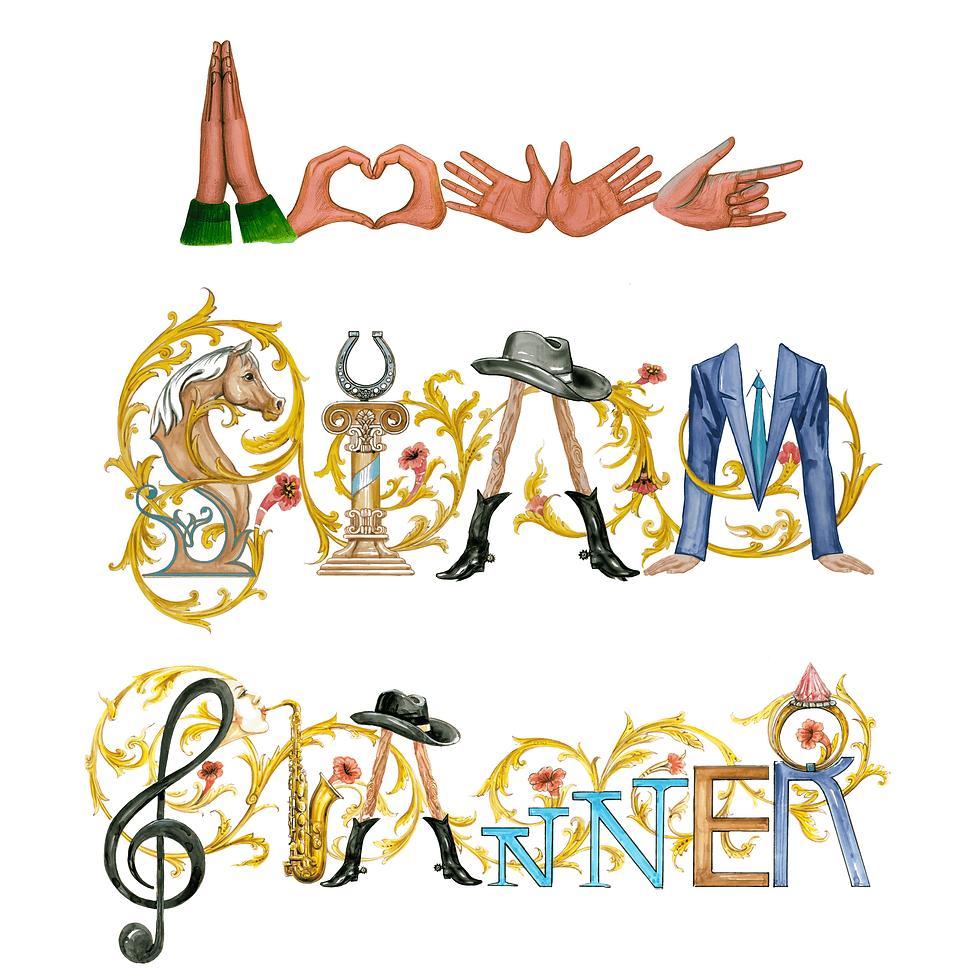
If You’re Planning a Wedding in Thailand (Indian or Any Nationality)
If you are planning a destination wedding in Thailand and you want it to be more than a ceremony — more than décor, poses, and schedules — then you are in the right place.
This approach is especially suited for Indian weddings in Thailand, where multi-day journeys, guest experience, family structures, and cultural accuracy matter deeply. We do not plan weddings by nationality labels or fixed formats. We study people, families, cities, and values — then design accordingly.
If you are looking for:
a wedding that cannot be repeated
a planner who takes full responsibility
a team that understands culture without turning it into performance
Then this philosophy already matches how you think.
If You’re Hosting a Private Party or Celebration
If you are planning a private party in Thailand — birthday, anniversary, family gathering, or invitation-only celebration — and you care more about atmosphere,
control, and guest experience than spectacle, this method applies fully.
We do not design parties to impress strangers. We design them to feel right for the people inside them. Quiet zones matter. Flow matters. Timing matters. Privacy matters.
If you want a party that feels effortless, intentional, and deeply considered — not loud, crowded, or overproduced — then this way of working is likely right for you.
If You’re Planning a Corporate or Strategic Event
If you are responsible for a corporate event in Thailand — leadership meeting, retreat, conference, or internal gathering — and you understand that events reveal how a company thinks, then this philosophy will feel familiar.
We do not treat corporate events as entertainment. We treat them as expressions of thinking. Alignment matters more than applause. Clarity matters more than hype. Long-term behavior matters more than momentary mood.
If your goal is not noise, but meaning — not scale, but relevance — then this approach is designed for that level of responsibility.

Siam Planner is not designed to be the right choice for everyone.
We work best with people and organizations who:
value originality over trends
prefer responsibility over shortcuts
understand that calm is a sign of mastery
If this page felt clear rather than exciting, grounded rather than dramatic, and thoughtful rather than promotional — then it did its job.
That clarity is exactly how we plan events in Thailand.
