%20(1)_edited.png)
High-End Private Parties in Thailand — Volume II: Execution, Control, and Authority
This is the second volume of a single manual.
If you have not read Volume I, this text will feel incomplete.
If you have not read Volume I yet, we strongly recommend starting there first.
👉 Read Volume I here — this volume is intentionally incomplete without it.
Volume II explains how parties succeed or collapse once execution begins.
At this level, most failures do not happen during planning.
They happen when:
guests fatigue without realizing why
privacy leaks quietly
budgets are spent without structural logic
authority fragments across vendors
This volume addresses those realities directly.
What follows is not aspirational.
It is operational.
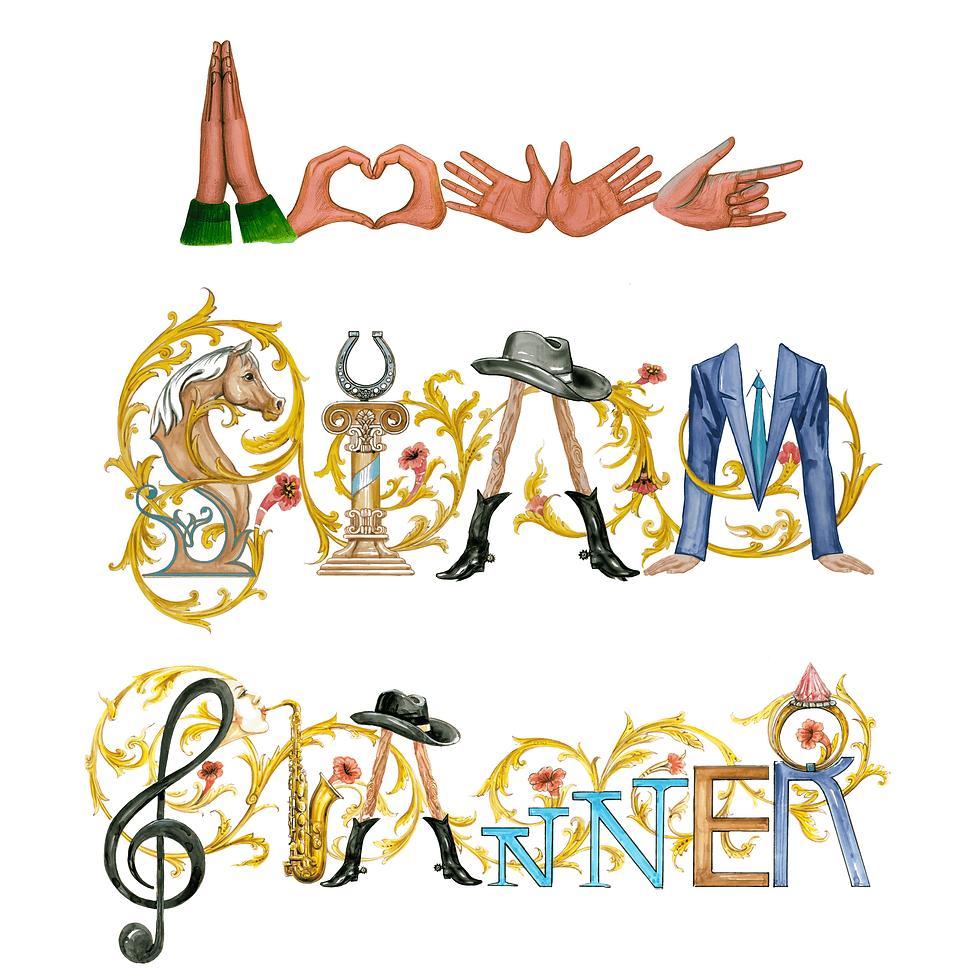
All artworks, illustrations, and visual elements you see in this volume are original creations produced by our team — not stock, not templates, and not AI-generated.

Take your time. Pour your favourite drink. Clear some mental space.
What follows is not light reading — it reflects the realities of private parties and Thailand journeys where total budgets often exceed THB 3,000,000 and where mistakes are expensive, silent, and irreversible.
Table of Contents (VOLUME II)
In This Volume

Guest Arrival Choreography — First Impressions Are Physical
A party begins before music, before décor, before the first drink.
It begins the moment a guest’s body enters the system.
If arrival is chaotic, anonymous, or delayed, the guest subconsciously downgrades the entire experience. If arrival is calm, personal, and intentional, respect is established immediately.
High-end arrival choreography means:
Guests are recognized, not processed
Names are known before faces appear
Eye contact replaces signage
Movement feels guided, not herded
When a guest is welcomed by someone who already knows who they are, where they’re from, and how they prefer to be addressed, something subtle but powerful happens: they stop behaving like an observer and start behaving like a host.
This is why serious planners study guest lists the way others study menus:
Photos reviewed in advance
Roles understood
Relationships mapped
Cultural cues prepared
Even a single word spoken in a guest’s native language, correctly and without performance, changes posture, tone, and openness.
First impressions are not visual. They are physical and relational.

Transport Is Part of the Party, Not a Utility
Transportation is not neutral. It shapes mood, expectation, and hierarchy.
Treating transport as logistics is one of the fastest ways to flatten a high-end party.
At this level:
Vehicles are extensions of the event
Drivers are part of the hospitality layer
Timing is emotional, not just punctual
Different guests may arrive differently:
Some by limousine
Others by classic cars
Some by tuk-tuk, boats, or specialty vehicles
This is not inconsistency. It is intentional differentiation.
What matters is cohesion:
Uniformed drivers
Clean, calm behavior
Clear communication
Quiet confidence
A driver may also be:
A translator
A cultural buffer
A trained bodyguard
A first guide into the country
Transport does not need to be extravagant. It needs to be thoughtful and aligned.

Airport to Venue — Where Most Hosts Lose Control
The most fragile moment of any destination party is arrival day.
Guests are tired, disoriented, and sensitive. This is where most hosts unknowingly lose goodwill.
Mistakes happen when:
Guests are rushed
Transfers are purely functional
Arrival is treated as “outside the event”
High-end planning treats the airport as the first venue.
This may include:
Calm meet-and-greet
No waiting in public confusion
Gentle pacing out of the airport
Optional pauses for rest, tea, or quiet
Sometimes a short stop — a coffee, a view, a moment to breathe — does more for a guest’s mood than immediate delivery to a hotel.
The person who picks up a guest is often: the first human connection they have in the country.
That role must be earned, trained, and respected.

VIP Routing of Party Guests — Visibility vs Discretion
Visibility impresses. Discretion builds trust.
High-net-worth guests rarely want attention. They want control over attention.
VIP routing is not about shortcuts. It is about choice.
Effective VIP handling includes:
Alternative arrival paths
Private waiting zones
Flexible timing
Staff trained in restraint, not enthusiasm
Not every VIP wants the same thing:
Some enjoy visibility
Others require invisibility
Some shift preferences throughout the night
Staff assigned to VIP interaction are not chosen for friendliness alone. They are chosen for:
Emotional intelligence
Silence under pressure
Respect for boundaries
The highest compliment a VIP can give is not praise. It is relaxation.

Dress Codes That Actually Work (And Those That Don’t)
Dress codes fail when they are aesthetic fantasies.
They succeed when they are behavioral guides.
A useful dress code:
Matches climate
Matches movement
Matches duration
Matches audience diversity
High-end planners treat dress codes as part of choreography:
Different phases may require different attire
Day and night are not the same
Static dinners and mobile parties need different solutions
What doesn’t work:
Overly rigid instructions
Ignoring heat and humidity
Prioritizing photos over comfort
What works:
Clear intent, not rigid rules
Options instead of mandates
Gentle guidance, not enforcement
Guests who are physically comfortable behave better, stay longer, and remember more.

Heat, Humidity, and Reality — Planning for Bodies, Not Photos
Thailand is honest about its climate. Planning must be honest too.
Ignoring heat and humidity leads to:
Guest fatigue
Reduced patience
Shortened attention spans
Early departures
High-end planning adapts instead of resists:
Shade before spectacle
Airflow before drama
Timing before ambition
This affects:
Fabric choices
Seating density
Program pacing
Food and alcohol strategy
A beautiful plan that ignores bodies is not luxury. It is negligence.
The goal is not to defeat nature. It is to work with it quietly.

Why High-End Parties Must Plan for Guest Fatigue
Guest fatigue is cumulative, not sudden.
It builds through:
Travel
Social pressure
Sensory overload
Lack of recovery time
Ignoring it results in:
Early exits
Reduced engagement
Missed peak moments
High-end parties plan recovery as deliberately as celebration:
Quiet zones
Optional pacing
Multiple energy levels within the same event
Permission to disengage without embarrassment
When guests leave feeling intact rather than drained, the host gains something far more valuable than applause: long-term respect.

Security Without Making Guests Feel Guarded
Thailand is, structurally, a safe country. That is precisely why security for high-end private parties must be quiet, not theatrical.
At this level, security is not about visible force. It is about coverage without weight.
Effective security design means:
The environment feels relaxed
Guests move freely
No one feels watched
Yet nothing important is unwatched
In high-net-worth settings, security often hides inside hospitality:
A service staff member who is also a licensed close-protection professional
A logistics coordinator who quietly controls access points
A “friend” accompanying a host who is, in fact, trained and alert
This layered approach matters because perception shapes behavior. When guests sense overt security, they subconsciously feel risk. When they sense calm competence, they relax.
The real function of security is not interception. It is allowing hosts and guests to stop monitoring their surroundings.
When the right eyes are watching, everyone else can rest theirs.

NDAs, Phones, and Social Media Control
Privacy is not enforced through rules. It is enforced through environmental design.
High-end parties fail privacy when they rely on announcements, warnings, or threats. They succeed when guests naturally choose discretion.
Effective privacy control includes:
NDAs signed before arrival, not discussed during the event
Phone-free zones designed as desirable spaces, not restricted ones
Moments where phones simply don’t feel relevant
The most effective phone control is not confiscation. It is irrelevance.
When:
Lighting is low and warm
Music is immersive
Movement is fluid
Interactions are human
People forget to document.
For guests who must remain reachable, planners design:
Controlled phone access zones
Staff-held devices with retrieval on request
Discreet lockers or sealed pouches without ceremony
Social media risk is not managed at the party. It is managed before the party exists.
Clear expectations, respectful framing, and proper legal grounding remove the need for confrontation.

Multi-Day Party Ecosystems — Why One Night Is Rarely Enough
A high-end party in Thailand is never a single night. If it is, something has already been under designed.
When guests travel internationally, they do not arrive as attendees — they arrive as temporary residents. Their energy, expectations, and attention span extend far beyond one evening. Ignoring that reality is how even expensive parties feel thin.
A properly planned party becomes the anchor point of a wider ecosystem:
Arrival experiences
Transitional days
Parallel micro-events
Recovery and decompression moments
The party is the peak — not the whole mountain.
At this level, guests must feel that the trip itself is authored. Not guided, not scheduled — curated and responsive.
That requires infrastructure, not improvisation:
A dedicated digital platform or event website built for the specific party
Live itineraries that adapt, not static PDFs
A private communication layer where guests can ask, adjust, and request without friction
A 24-hour human operator who understands context, not a call center
This is not concierge service. This is temporary life management.
When done correctly, guests stop asking “what’s next?” They simply live — knowing someone else already thought it through.
Pre-Party Experiences That Raise the Main Event
The main party does not set the tone. The days before it do.
Pre-party experiences exist to do one thing: align energy.
Guests arrive with different rhythms:
Jet lag
Personal stress
Social hesitation
Curiosity mixed with reserve
Throwing them straight into a major night wastes potential.
Effective pre-party design includes optional, well-timed layers:
Personal shopping or tailoring sessions
Grooming, spa, or recovery time
Private dinners or wine tastings
Cultural soft-entries, not tours
Light entertainment to dissolve formality
These are not fillers. They are calibration tools.
A guest who laughs two nights before the party arrives differently. A guest who feels looked after arrives open. A guest who feels seen arrives generous.
By the time the main night begins, the group is no longer a collection of individuals.
It is already a social organism.
That is when a party works.

Post-Party Continuation — The Art of the Afterglow
A party that ends abruptly feels unfinished — no matter how good the night was.
The afterglow is where meaning settles.
High-end hosts rarely care only about how the party looked. They care about what it changed:
Relationships
Perception
Momentum
Post-party planning is where those outcomes are secured.
This may include:
Structured decompression days
Quiet shared meals
One-on-one follow-ups arranged subtly
Content delivery (photos, edits, personal cuts) timed intentionally
Private acknowledgements, not public wrap-ups
In some cases, the planner’s work continues for weeks:
Coordinating extended stays
Managing introductions made during the party
Handling sensitive outcomes quietly
The party may be over. The responsibility is not.
A well-managed afterglow ensures guests don’t just remember the night —they reinterpret the entire trip through it.

Hosting Guests Beyond the Party Night
From the moment an aircraft door opens, the party has already begun. From the moment the last guest leaves Thailand, it should still feel unfinished — in the best way.
High-end hosting is not about constant stimulation. It is about consistent tone.
Every transfer, pause, meal, and free hour either supports or erodes the experience.
That is why serious planning treats the full stay as one continuous narrative:
Arrival without confusion
Days without friction
Nights without fatigue
Departures without collapse
Guests should never feel like they are “between things.” Only between chapters.
Mood is not accidental. It is designed, protected, and sustained.
When guests return home saying, “This felt nothing like the last time I was here,” the objective has been met.
Not because Thailand changed —but because the experience was authored around them.

Why Decoration Is the Most Important Visual Element
Decoration is not ornamentation. At high-end level, it is visual authorship.
For serious private hosts, balloons, preset florals, and “luxury-looking” rental décor are not only unnecessary — they are damaging. They communicate that the space belongs to the venue or the planner, not to the host.
True decoration does something else: it temporarily converts a venue into personal territory.
At this level, decoration should answer questions silently:
Who is hosting?
Why are we here?
What kind of people belong in this room?
What outcome is expected from this gathering?
In Thailand, this opportunity expands rather than shrinks.
Instead of importing Monaco or Dubai aesthetics, intelligent hosts do the opposite: they project their own identity into the space.
That can mean:
Framed personal photography, not generic art
Original hand-painted works translating the purpose of the gathering
Sculptural elements that reference shared history, not trends
Company culture expressed visually for teams who have never “seen” it before
For corporate founders, decoration can reveal values employees only hear about. For private hosts, it can turn a neutral venue into a personal residence for one night.
Decoration is not what fills space. It is what defines ownership of space.
When guests feel they have entered your world, not a venue, hierarchy, respect, and engagement align automatically.

Furniture, Spacing, and Where People Actually Stand
Guests do not experience rooms the way planners draw them. They experience them kinetically.
Where people stand, lean, pause, or avoid is determined by:
Furniture placement
Distance between objects
Line of sight
Micro-territories created unintentionally
Behavioral psychology and environmental design show that:
People gravitate toward edges before centers
Conversation happens where bodies feel protected
Power dynamics shift based on relative elevation and proximity
Comfort increases when guests can choose their own density
At high-end parties, furniture is not about sitting. It is about permission.
Permission to:
Stay longer
Move freely
Engage selectively
Exit without attention
Strategic layout creates natural zones:
Quiet conversation zones
Energetic standing zones
Observational zones
Authority-adjacent zones
Guests self-sort without being directed.
Seating is not neutral:
Who sits to the host’s left or right affects perceived influence
Who faces whom shapes alliances
Who shares space forms memory
This is not manipulation — it is spatial intelligence.
When furniture is placed correctly, guests feel comfortable without knowing why. When it is wrong, no amount of entertainment fixes it.

Flowers — When They Matter and When They Are Wrong
Flowers are not decoration by default. They become noise when used without intention.
Cut flowers — especially mass arrangements — signal expense, not thought. They impress briefly and then disappear mentally.
Living elements behave differently.
Research in environmental psychology shows that:
Living plants reduce stress hormones
Greenery slows breathing and heart rate
Natural growth signals safety and continuity
This is why people relax in gardens but tense in florists’ showrooms.
For high-end parties, flowers should act as environment, not display.
That means:
Potted, living plants rather than cut stems
Growth-oriented arrangements rather than abundance-oriented ones
Placement that suggests landscape, not centerpiece competition
Walking into a space where plants feel rooted creates calm authority. Walking into a space where flowers feel sacrificed creates visual aggression.
The difference is subtle — and powerful.
Flowers matter when they:
Support the mood
Extend the space
Slow the room
They fail when they:
Compete for attention
Block sightlines
Exist only to prove budget
In high-end hosting, restraint is louder than excess.
A room that breathes will always outperform a room that shouts.

Staffing Ratios and Guide
At high-end level, staffing is not about numbers. It is about latency.
Guests should feel that help is always one step away, yet never hovering. The difference between average service and elite service is measured in seconds, not smiles.
Airline business-class service is a useful reference point—not because of luxury, but
because of anticipation:
Staff already know who you are
They approach before you ask
They disappear immediately after
This effect is engineered.
For private parties, staffing works best when:
Core staff are briefed on guest identities, not just roles
Each guest or small cluster has a primary contact, even if invisible
Response systems are frictionless (discrete call buttons, coded signals, pre-agreed gestures)
A physical button hidden into décor, a quiet tablet prompt, or a human “shadow” trained to observe rather than intrude—these are operational tools, not gimmicks.
Uniforms matter. Not for elegance alone, but for authority clarity. Posture, tone, eye contact, and pacing must be consistent across the team.
Most importantly, staff must understand:
Who the host is
Why the party exists
What outcomes matter
Only then can they act like palace staff rather than temporary workers.
When staff feel purpose, guests feel sovereignty.

Host Visibility — When to Appear and When to Disappear
A powerful host is never absent. But they are not always visible.
This is one of the most misunderstood dynamics in high-end hosting.
Appearing too often turns the host into a manager. Disappearing entirely creates emotional distance.
The correct position is omnipresence without saturation.
The reference is cinematic, not corporate. In The Great Gatsby, the host is:
Talked about before being seen
Felt throughout the space
Present at pivotal emotional moments
Absent during organic guest interaction
High-end parties work the same way.
The host should:
Appear during arrivals and key transitions
Be visible at moments of emotional peak
Withdraw during organic guest flow
Reappear briefly to re-anchor the room
This rhythm allows guests to feel both:
Personally welcomed
Socially free
A skilled planner choreographs host movement the way a director stages a lead character.
When done correctly, guests leave saying:
“I felt close to the host all night.”
—even if they only spoke twice.

Budget Architecture for High-End Parties
Planning at this level is not budgeting. It is composition.
A masterpiece and a mess can cost the same materials. The difference lies in authorship.
High-end parties do not work on:
Per-head pricing
Fixed packages
Venue-driven formulas
Those systems are designed for predictability, not distinction.
When a venue or planner offers:
“X guests × Y amount per person”
They are selling logistics, not experience.
True budget architecture works differently:
Funds are allocated to leverage, not categories
Spending is shaped around outcomes, not line items
Flexibility is preserved until late stages
A planner at this level behaves like an artist:
Knowing where restraint amplifies impact
Knowing where excess adds nothing
Knowing when to break rules intentionally
Budget becomes a tool of expression, not a limitation.
The goal is not to spend more. The goal is to make every unit of currency felt.

Where Money Actually Changes Guest Experience
Money does not impress guests. Intent does.
High-end spending only works when it changes how guests experience the party—not how it looks on paper.
Examples where money actually matters:
A dedicated digital platform for the trip and party, not just logistics
Invitations designed for each guest, not printed for the event
Original music composed for the night, not curated playlists
Décor that invites photography, not photographers chasing guests
Gifts that are created, not purchased
These elements convert cost into memory.
Guests remember:
Being understood
Being anticipated
Being included
They do not remember:
Brand names
Bottle prices
Hotel categories
When spending is directed toward personal relevance, it multiplies its effect.
When it is directed toward symbols of wealth, it depreciates immediately.

Spending as Investment, Not Display
This is where many high-budget parties quietly fail.
Hosts often assume spending is about showing capacity. In reality, it is about shaping perception.
Investment spending:
Deepens guest connection
Elevates host authority
Extends impact beyond the night
Display spending:
Peaks briefly
Feels interchangeable
Leaves no residue
A party where:
Guests keep objects
Retell moments
Reference details months later
has succeeded economically—even if the budget was restrained.
A party where:
Everything was expensive
Nothing was personal
has failed regardless of spend.
At high-end level, money is only powerful when it disappears into experience.
That is the difference between hosting and consuming.

Where Spending More Does Nothing
High-end parties don’t fail because of insufficient budgets. They fail because money is spent in places that do not translate into guest experience.
There is a predictable pattern where so-called “luxury” budgets disappear:
Imported ingredients chosen for price, not taste
Bottles marked up 300–500% because the venue controls supply
Floral installations designed to be photographed once and discarded
Celebrity DJs flown in to play a generic set no one remembers
Venues charging premiums for brand association rather than usability
Decorative excess that blocks movement, sightlines, or conversation
None of these make a party better after the first ten minutes.
A gold-covered steak does not improve conversation. A rare champagne does not fix bad energy. A famous hotel does not replace poor flow.
Spending more does nothing when it goes toward symbols instead of systems.
Where spending plateaus fastest:
Alcohol escalation without bar strategy
Flowers without spatial purpose
Venue premiums that eliminate flexibility
Entertainment booked without rehearsal or integration
Imported “luxury” items that feel detached from place
A capable planner does not remove these elements. They reframe them.
The same champagne becomes meaningful when:
Served at the exact emotional peak
Presented in a ritual moment
Paired with a memory trigger
Flowers matter when:
They guide movement
Create psychological calm
Define micro-zones rather than dominate space
Food becomes memorable when:
It connects to the guest’s background
Appears at moments of fatigue
Solves social friction
The difference is not austerity. It is allocation.
What most hosts never see is this: every dollar wasted on prestige items removes a dollar from experience engineering.
That is where parties lose power.

Why Transparent Budgets Create Better Parties
Opacity benefits vendors. Transparency benefits hosts.
At high-net-worth level, “all-inclusive” and “package pricing” are not conveniences—they are risk transfers. Risk moves away from vendors and onto the host.
When a host is told:
“Give us a number and we’ll handle everything”
What actually happens:
Markups hide inefficiency
Incentives misalign
Creative options narrow
Accountability diffuses
The host loses control without realizing it.
Transparent budgeting changes the entire psychology of planning.
When every major component is visible:
Venues
Production
Staffing
Food & beverage
Transport
Creative development
The host stops spending emotionally and starts deciding strategically.
A transparent model works like this:
Real costs are shown
Alternatives are presented with trade-offs
The planner is compensated separately for authorship and management
Savings in one area are deliberately re-invested elsewhere
This creates trust, not tension.
The relationship shifts:
From buyer–seller
To principal–agent
The planner’s role becomes what it should be:
Guardian of the budget
Translator of intent
Protector against waste
It feels like this: your hand behind your head, relaxed someone competent handling complexity nothing hidden, nothing rushed
Hosts who experience this once rarely return to opaque models.
Because they realize something important: clarity is not about paying less—it is about getting more where it matters.

Vendors vs Partners — Why This Distinction Matters
A vendor delivers a service. A partner protects an outcome.
At high-end private party level, this difference decides whether an event feels controlled or fragile.
Vendors work in isolation. Partners work inside a shared responsibility system.
A vendor asks:
What is my scope?
What am I paid to deliver?
When do I start and stop?
A partner asks:
What is the goal of this moment?
What could go wrong if I don’t adjust?
How does my role affect the whole experience?
Siam Planner does not “collect vendors.” We build partners around an authored plan.
That means:
Everyone understands the intention, not just their task
Everyone knows who decides, who adjusts, who absorbs pressure
No one optimizes their part at the expense of the whole
At this level, flowers, sound, transport, security, food, and timing are not separate services. They are one system with many hands.
This is why the distinction matters: vendors complete tasks, partners protect reputation.

Why Vendor-Led Parties Collapse Under Pressure
Collapse does not always mean cancellation.
More often, it looks like:
Awkward silences
Missed moments
Guests leaving early
Energy dropping without explanation
Things feeling “fine” but not memorable
Vendor-led planning fails quietly.
Why?
Because vendors are trained to deliver what was agreed, not to adapt when reality shifts.
Pressure moments reveal this:
A VIP arrives early
Weather changes
One guest dominates attention
Sound needs to drop instantly
A cultural boundary is crossed
In vendor-led setups, everyone waits for instruction. No one owns the outcome.
So adjustments come late, fragmented, or not at all.
The result: nothing technically wrong everything emotionally flat
High-end hosts deserve more than “no complaints.” They deserve precision under pressure.
That only comes from unified leadership.

Single-Command Planning vs Fragmented Execution
High-end private parties require a single command structure.
Not because others aren’t skilled. But because complexity collapses without hierarchy.
Fragmented execution looks like:
Venue decides one thing
DJ decides another
Security improvises
Transport reacts independently
Host gets pulled into decisions
The host becomes the manager. That is already failure.
Single-command planning means:
One authority
One vision
One adjustment brain
Everyone else executes inside that clarity.
Especially in Thailand, where:
Events span days, not hours
Locations change
Cultures mix
Guests arrive at different times
Expectations shift constantly
This is not a party. It is a temporary operating system.
Only an event management company—acting as agent, not decorator—can run that system end to end.

Cultural Missteps That Quietly Kill Parties
Most cultural mistakes don’t cause conflict. They cause discomfort.
And discomfort kills atmosphere.
Common examples in Thailand:
Touching someone’s head casually
Pointing with a finger instead of an open hand
Raising voice in public frustration
Standing higher than elders during conversation
Treating service staff as invisible
International guests often don’t mean disrespect. But intention does not cancel impact.
A capable planner anticipates this and educates quietly.
Not through lectures. Through design.
Staff behavior sets tone
Seating avoids hierarchy clashes
Movement paths prevent awkward moments
Briefings happen before mistakes occur
Guests should never feel corrected. They should feel guided.
That guidance is invisible when done right.

Hosting International Guests Without Stereotypes
High-end hosting fails when planners reduce people to labels.
“Western guests like this.” “Asians expect that.” “Middle Eastern guests want this.”
That thinking is lazy—and inaccurate.
International guests are not cultures. They are individuals with history, status, and personal standards.
Proper hosting starts with:
Who they are
Why they are here
What makes them feel respected
Not with assumptions.
A banker from London and an artist from London do not want the same party. Two guests from the same country may have opposite expectations.
The job is not cultural performance. It is human reading.
This is why we study guests individually—background, role, temperament—so the experience adapts naturally without calling attention to itself.

Why “Luxury” Means Different Things to Different Cultures
Luxury is not a universal language.
In some cultures, luxury means:
Silence
Space
Order
Predictability
In others, it means:
Abundance
Movement
Celebration
Visibility
Some associate luxury with privacy. Others with generosity.
The mistake is trying to satisfy all definitions at once.
High-end planning means deciding which definition applies, and designing consistently around it.
What luxury always means, regardless of culture:
Things work
Nothing feels rushed
Guests feel respected
Effort is invisible
Order exists beneath freedom
When that is achieved, culture becomes expression—not confusion.
And the party stops trying to impress. It simply holds authority.

Timing the Party — Start Times, Peaks, and Endings
Most planners design parties like a single wave: build up, peak, fade. High-end private parties work differently. They operate as simultaneous climates.
At this level, timing is not a line. It’s a map.
What fails in conventional planning:
Everyone arrives at once
One stage dictates one mood
The “main moment” is forced
Guests who miss it feel late
Guests who finish early feel trapped
High-budget parties should never demand that all guests feel the same thing at the same time.
The correct approach is parallel pacing:
One area already alive on arrival
One area calm and grounding
One area slowly warming
One area ready to peak later
This allows guests to self-regulate:
The energetic find energy immediately
The observant ease in
The private stay private
The curious explore
Movement replaces pressure.
Start times become soft:
Doors open before the “official” start
Experiences begin before announcements
Energy exists before speeches
Peaks are not singular:
Music peaks here
Conversation peaks there
Intimacy peaks elsewhere
And because no single moment carries the entire responsibility of success, the party feels effortless—even when it’s meticulously controlled.
High-end timing is not about spectacle. It’s about giving guests control over their own rhythm.

Why Ending Well Matters More Than Starting Big
Guests rarely judge a party by its loudest moment.
They judge it by:
How they felt leaving
How easily they transitioned
Whether the night resolved or dissolved
A strong ending does not mean stopping early. It means landing intentionally.
Common failures at the end:
Lights abruptly up
Music cuts without transition
Guests unsure what happens next
Transport confusion
Energy collapses instead of softens
At high-net-worth level, endings are designed—not assumed.
A proper ending offers choices, not instructions:
Quiet return to hotel
Soft continuation at a private lounge
Late-night food with familiar faces
Controlled escalation to a club already prepared
Intimate final drink by water or skyline
Guests should never ask, “What now?” They should feel, “I know exactly where I’m going.”
Operationally, this means:
Pre-mapped routes
Flexible transport windows
Staff guiding without directing
Food available without announcement
Music decelerating by design, not exhaustion
Psychologically, endings matter because memory compresses. The brain retains the final state more clearly than the first impression.
A party that ends well:
Feels complete
Feels generous
Feels intentional
And most importantly: guests leave wanting to return—not continue elsewhere because something was missing.
That is how high-end parties close. Not with noise. With confidence.

Rain, Wind, Heat — Designing Parties That Don’t Panic
Weather does not ruin high-end parties. Unprepared thinking does.
Thailand is not unpredictable; it is seasonal. Once you understand how each region behaves across the year, weather becomes a design variable—not a threat.
Thailand’s Weather Reality (By Season)
November – February (Cool / Dry Season)
Best overall climate
Evenings are comfortable across all cities
Ideal for multi-day outdoor programs
Wind manageable, rain minimal
March – May (Hot Season)
Heat is real, not poetic
Midday outdoor events are a mistake
Sunrise, sunset, and night become prime windows
Shade, airflow, hydration, and fabric choice matter more than décor
June – October (Green / Monsoon Season)
Rain is frequent but rarely continuous
Storms are dramatic and short
Nature is at its most beautiful
Flexibility beats fear
City-by-City Weather Intelligence
Bangkok
Heat amplified by concrete
Rain predictable in bursts
Rooftops require wind and lightning protocols
Indoor–outdoor hybrids work best
Phuket / Krabi
Stronger monsoon on the Andaman side
Sea conditions matter more than rain
Cliff, villa, and inland venues outperform beaches in wet months
Koh Samui
Opposite monsoon pattern
Often dry when Phuket is wet
Excellent fallback geography
Chiang Mai
Cooler evenings
Dry season ideal for gardens and glamping
Rainy season lush but humidity-controlled planning required
How High-End Parties Stay Calm
Dual layouts designed from day one
Lighting that works in daylight and rain
Sound systems calibrated for wind loss
Furniture that drains, dries, or relocates
Staff trained for transitions, not apologies
Guests should never feel the weather was “handled.” They should feel it was anticipated.
The goal is not to fight nature. It is to dance with it without fear.

Documentation — Photos, Video, Memory
At high level, documentation is not coverage. It is authorship.
Private parties deserve more than:
Random photographers
Social-media framing
Afterthought video edits
They deserve cinematic thinking.
High-end party documentation borrows from:
Film direction
Narrative pacing
Environmental storytelling
This may include:
Multi-camera crews
Silent operators blending into guests
Directors shaping scenes, not poses
Editors designing rhythm, not reels
A party is not a slideshow. It is a story with atmosphere.
When done correctly:
Cameras never interrupt
Guests forget they’re being filmed
Energy stays intact
The result is not “content.” It is memory architecture.

Why Some Parties Should Not Be Documented at All
Not all moments are meant to be preserved. Some are meant to be trusted.
High-net-worth hosts often require:
Partial documentation
Zoned permissions
No-camera windows
Silent recording without faces
Reasons vary:
Reputation protection
Guest discretion
Business sensitivity
Personal boundaries
The most dangerous assumption is “more footage equals more value.”
In reality:
The absence of cameras often elevates behavior
Guests relax faster
Conversations deepen
Risk drops
A professional planner designs documentation strategy before the event—not after complaints.
Sometimes the most luxurious decision is: nothing recorded at all.

Post-Event Assets — What Remains After the Night Ends
A party should not vanish when the lights go off.
What remains may include:
Curated photo books sent to guests
Personalized edits featuring each attendee
Artworks created during the event
Objects transformed into keepsakes
Digital archives that live beyond social platforms
High-end hosts think beyond: “What did people see?” They ask: “What do they keep?”
When post-event assets are designed intentionally:
Guests relive without exaggeration
The host’s identity strengthens
The event becomes reference, not nostalgia
Memory is the longest return on investment.

Why Hosts Rarely Enjoy Their Own Parties (And How to Fix That)
Most hosts don’t relax because:
They funded everything
They fear collapse
They expect issues
They don’t trust systems
This is not personality. It is pattern recognition from bad planning.
Hosts relax only when:
Decisions are already made
Authority is singular
Contingencies exist
Silence means success
When planning is done correctly:
The host stops scanning
The host starts participating
The host becomes human again
A party where the host is tense is not high-end—no matter the budget.
Enjoyment is not luck. It is delegated certainty.

Letting Go — The Psychological Shift Required of Hosts
True hosting requires surrender.
Not to chaos—but to structure.
The psychological shift is simple but difficult:
You are no longer the operator
You are no longer the coordinator
You are no longer the problem-solver
You are a guest with responsibility removed.
A professional planning team acts as:
Your proxy
Your filter
Your nervous system
When hosts finally let go:
Their presence becomes magnetic
Their confidence reads as power
Their enjoyment gives permission
The paradox: The more control you give up to the right system, the more control your presence gains.
That is not event planning. That is authority transfer done correctly.

Why Thailand Is Still Underestimated for High-End Private Parties
Thailand’s reputation lags behind its reality.
Most global perceptions are shaped by:
Content from 10–15 years ago
Mass-market tourism narratives
Backpacker routes and entry-level resorts
Online media that rarely penetrates private, high-end layers
What rarely appears online are:
Private estates not listed publicly
Invitation-only clubs and venues
Discretion-first hospitality networks
High-end service ecosystems built for people who don’t advertise
Thailand did not suddenly become sophisticated. It quietly matured.
While other destinations marketed luxury loudly, Thailand:
Built depth instead of spectacle
Invested in human service quality
Normalised high-spend discretion
Allowed complexity to operate without theatre
The result is a country where:
High-end infrastructure exists without shouting
Luxury is operational, not performative
Privacy is cultural, not contractual
This creates a time-window advantage.
Budgets that go far today will not go as far in the next cycle. As more high-net-worth hosts discover Thailand’s private layer, access will tighten, prices will harden, and flexibility will narrow.
Thailand is underestimated not because it lacks luxury. It is underestimated because it doesn’t need to prove it.

What Thailand Allows That Other Luxury Destinations Can’t
Thailand allows multiplication—not substitution.
In many so-called luxury destinations:
Budget replaces creativity
Spend compensates for restriction
Cost increases as freedom decreases
Thailand reverses that equation.
1. Budget Multiplier Effect
A single budget unit in Thailand expands into:
More space
More staff
Longer timelines
Deeper customization
Redundant backup systems
This is not about cheaper labor. It is about less friction.
Money is not consumed by:
Excessive compliance theatre
Performative exclusivity
Artificial scarcity pricing
Instead, it converts directly into experience.
2. Social Permission Without Judgment
Thailand operates on live-and-let-live hospitality.
High-end hosts can:
Celebrate without scrutiny
Mix cultures without tension
Enjoy without being managed by social codes
Local participation is not staged. It is natural.
This creates parties that feel:
Alive rather than observed
Inclusive rather than insulated
Human rather than curated
In contrast, many luxury destinations sell safety by isolation. Thailand delivers safety through normalization.
3. Operational Elasticity
Thailand allows:
Late changes without collapse
Multi-day evolution without penalties
Hybrid formats without bureaucratic escalation
That elasticity is structural, not informal. It exists because the system is used to complexity.
Thailand has hosted:
Millions of international movements annually
Diverse cultures simultaneously
Large-scale hospitality operations for decades
Private parties benefit from that maturity.
4. Enjoyment Without Extraction
In many destinations, guests feel monetized. In Thailand, guests feel welcomed.
That difference changes behavior:
Guests relax faster
Hosts stop performing
Experiences feel genuine
Luxury without extraction is rare. Thailand still allows it.

The Role of the Planner in High-End Private Parties
At high-net-worth level, a planner is not a supplier, a coordinator, or a stylist.
A planner is a systems author.
When budgets are high, guests are influential, privacy matters, and outcomes carry reputational weight, the planner’s role expands into areas most hosts never see—and should never have to manage.
A true high-end party planner operates simultaneously as:
Strategic architect
Cultural interpreter
Risk manager
Experience designer
Guest advocate
Budget steward
Single point of command
Planner as Author, Not Assembler
Most parties are assembled:
Venue first
Vendors second
Schedule third
Guests react last
High-end private parties must be authored:
Intention first
Guest psychology second
Flow, mood, and hierarchy third
Logistics built invisibly underneath
The planner does not decorate a space. They design behavior.
They decide:
Where guests slow down
Where energy rises
Where conversations happen
Where privacy tightens
Where hosts appear and disappear
This is authorship, not coordination.
Planner as the Host’s Extended Nervous System
At this level, the host cannot:
See everything
Hear everything
Decide everything
Fix everything
The planner becomes:
Your eyes when you’re elsewhere
Your judgment when emotions rise
Your restraint when excess tempts
Your shield when pressure appears
A good planner absorbs complexity so the host experiences simplicity.
If the host feels busy, anxious, or reactive during their own party, planning has already failed.
Planner as Cultural and Social Translator
High-end parties often mix:
Nationalities
Generations
Social ranks
Business and personal relationships
The planner:
Translates etiquette silently
Prevents cultural missteps before they happen
Designs neutrality where needed
Highlights respect without calling attention to it
This is not about knowing rules. It is about sensing social temperature.
Planner as Guardian of Outcome, Not Appearance
At this level, success is not:
Photos
Decor
Expense
Volume
Success is:
How guests speak about the experience months later
Whether relationships strengthened
Whether the host’s stature rose naturally
Whether guests felt seen, safe, and valued
The planner protects outcome—even when it means saying no to impressive but harmful ideas.
Planner as Invisible Authority
The best planner is:
Felt everywhere
Seen nowhere
They do not perform leadership. They exercise it quietly.
Guests should never feel managed. Staff should never feel confused. Vendors should never feel autonomous.
That balance is the planner’s craft.

Why Full-Scope Planning Is Non-Negotiable at This Level
High-end private parties fail most often when responsibility is fragmented.
When:
Venues manage one part
Hotels manage another
Transport is outsourced
Entertainment self-directs
Hosts fill the gaps
No one owns the whole.
At this level, ownership is everything.
The Illusion of Convenience
Booking:
VIP tables at a club
A hotel’s in-house planner
A restaurant buyout
Feels easy.
But ease transfers risk to the host.
Those services optimize for:
Their own operations
Their own margins
Their own limits
They are not accountable for:
Guest fatigue
Mood collapse
Cultural friction
Post-event drop-off
Full-Scope Planning Means Single Accountability
A full-scope planner owns:
Arrival to departure
Day one to final goodbye
Energy arc, not just peak moments
Budget as a system, not a spend
With the same budget that disappears into:
One night
One venue
One rigid format
A full-scope planner can create:
Multi-day flow
Layered experiences
Redundancy and flexibility
Emotional pacing
This is not more expensive. It is more efficient.
Full-Scope Is Not “More Services”
It is fewer handovers.
Every handover:
Loses context
Dilutes intention
Introduces error
High-end planning removes handovers by design.
That is why it is non-negotiable.

Why Partial Planning Creates Silent Failures
Partial planning rarely looks like failure.
The party happens. Guests smile. Photos exist.
The failure appears after.
Silent Failures Look Like:
Guests disengaging the next day
Energy collapsing after the main night
Missed opportunities for connection
Hosts feeling relief instead of satisfaction
No lasting narrative
These failures don’t cause complaints. They erase impact.
Partial Planning Breaks Continuity
When only parts are planned:
The night works
The journey doesn’t
Guests:
Get confused between moments
Lose momentum
Default to their own routines
All the investment made for the main event dissolves quietly.
Partial Planning Forces the Host to Compensate
When gaps appear:
Hosts step in
Decisions become reactive
Stress rises
The host becomes the manager. That is the opposite of high-end hospitality.
If you want:
One evening
One service
One isolated outcome
Partial planning is acceptable.
If you want:
A remembered experience
A shifted perception
A real return on investment
Partial planning is structural sabotage.

What Hosts Should Prepare Before Contacting a Planner
High-end outcomes require high-quality input.
Before contacting a planner, hosts should prepare mentally, not just financially.
1. Be Ready to Share Context, Not Just Wishes
A serious planner will ask:
About you
Your guests
Your history
Your concerns
Your goals beyond the party
This is not intrusion. It is groundwork.
Withholding information always costs more later.
2. Accept That Process Precedes Results
High-end planning requires:
Time
Conversation
Reflection
Iteration
Avoid planners who:
Rush to propose
Sell immediately
Promise outcomes without understanding
Speed at this level creates surface, not substance.
3. Be Prepared for Structured Enquiry
Detailed forms, interviews, and follow-ups are a feature—not a burden.
They signal:
Responsibility
Seriousness
Accountability
If a planner does not ask enough questions, they cannot protect you.
4. Commit to Patience Over Convenience
The “easy path” in high-end parties leads to:
Familiar outcomes
Predictable mistakes
Forgettable experiences
The harder path—thinking, discussing, refining—creates distinction.
5. Decide What Matters More: Control or Trust
High-end planning only works when:
The host defines intention
The planner executes authority
Micromanagement breaks flow. Blind delegation breaks alignment.
Trust is not passive. It is informed and intentional.
At this level, a party is not an expense. It is a statement, a signal, and an investment.
The planner is not there to impress. They are there to protect meaning.
Everything else is decoration.

Questions High-End Hosts Should Be Asking (But Rarely Do)
At high-net-worth level, the quality of a party is decided before the planner is hired—by the quality of questions the host asks.
Most hosts ask practical questions too early:
How much?
Which venue?
What’s included?
Can you show examples?
These are late-stage questions. They assume the planner is already right.
High-end hosts should instead ask structural questions—questions that reveal whether a planner can think, carry responsibility, and protect outcomes at scale.
Below are the questions that matter most. Not to ask the planner directly—but to ask yourself, while evaluating them.
1. Does This Planner Think in Systems or in Services?
Look at how the planner explains their work.
Do they describe process, logic, and decision-making?
Or do they list services, vendors, and visuals?
High-end parties collapse when planning is service-led instead of system-led.
A planner should be able to explain:
How decisions are made
How conflicts are resolved
How change is absorbed
How outcomes are protected
If everything sounds like “we arrange,” “we provide,” or “we offer,” you are looking at assembly—not authorship.
2. Is This an Individual or an Event Management Company?
This matters more than most hosts realize.
Ask yourself:
Is the brand built around one person?
Or around a structured team identity?
High-budget, multi-day, high-privacy parties cannot rely on one individual’s availability, energy, or mood.
An event management company:
Can replace people without losing continuity
Can operate in parallel
Can handle emergencies without collapse
Can scale attention without dilution
If the entire promise rests on one name, one personality, or one face, you are accepting single-point failure.
3. Does the Planner’s Website Reflect Original Thinking—or Familiar Patterns?
A planner’s website is not marketing. It is a thinking sample.
Ask yourself:
Does the site feel templated or authored?
Does it repeat industry language or challenge it?
Does it show depth, patience, and structure?
Or does it rush you toward visuals and packages?
A planner who cannot design their own presence rarely designs original experiences.
If the website:
Looks like many others
Uses generic luxury language
Relies on borrowed aesthetics
Then the party will follow the same path.
4. Does the Planner Talk About Guests—or Only About Hosts?
High-end parties are guest-driven systems.
Evaluate:
How much attention is given to guest flow, fatigue, hierarchy, and psychology?
Are guests treated as numbers—or as individuals?
Is hospitality explained, or assumed?
If guests are mentioned only as “attendees,” the planner is not thinking at the right level.
5. Does the Planner Emphasize Control or Creativity Alone?
Creativity without control creates chaos. Control without creativity creates boredom.
Ask yourself:
Do they explain how ideas are executed under pressure?
Do they talk about risk, failure points, and mitigation?
Or only about concepts and beauty?
High-end planning lives at the intersection of:
Imagination
Discipline
Authority
If one is missing, the party will suffer.
6. Does the Planner Avoid Talking About What They Refuse to Do?
Strong planners say no early.
Look for:
Clear boundaries
Explicit refusals
Non-negotiables
A planner who agrees to everything has no standards—and will trade your outcome for convenience.
7. Is the Planner Comfortable Discussing Privacy, NDAs, and Discretion?
High-end parties are not public performances.
A serious planner:
Mentions confidentiality naturally
Designs privacy structurally, not verbally
Treats discretion as default, not a feature
If privacy is discussed only when you raise it, it is not embedded deeply enough.
8. Does the Planner Explain Budget as Architecture—or as Numbers?
Ask yourself:
Do they explain where money changes experience?
Do they talk about reallocation, not upselling?
Do they separate cost from value?
A planner who cannot explain why something costs what it costs is not managing your investment.
9. Does the Planner Ask You Difficult Questions?
Good planners are curious. Great planners are demanding.
If you are never asked:
About intent
About fears
About guest dynamics
About what must not happen
Then planning is superficial.
A planner who challenges you early protects you later.
10. Do You Feel Rushed—or Understood?
Finally, trust your internal signal.
High-end planning should make you feel:
Slower, not hurried
Clearer, not pressured
Thoughtful, not sold to
If the process feels fast, smooth, and easy too early—it usually means depth has been skipped.

Final Notes for Private Hosts Considering Thailand
Thailand is not a shortcut. It is a multiplier.
When approached correctly, Thailand amplifies:
Budget efficiency
Hospitality depth
Creative freedom
Cultural tolerance
Operational flexibility
When approached casually, it amplifies mistakes.
Thailand rewards:
Preparation
Respect
Structure
Serious planning
It punishes:
Assumptions
Overconfidence
Template thinking
Under-planning
Private hosts who succeed in Thailand do not treat it as a backdrop. They treat it as a living system that must be understood, navigated, and authored.

How to Decide If Your Party Is Ready for Thailand
Your party is ready for Thailand if:
You are planning more than one night
You care about guest experience beyond appearances
You value discretion as much as impression
You want flexibility without disorder
You are prepared to trust a planner with full scope
You see your budget as an investment, not a spend
You want something that cannot be copied elsewhere
Your party is not ready for Thailand if:
You only want convenience
You prefer familiar formats
You want minimal involvement but maximum control
You are chasing status rather than experience
You expect a country to replace planning
Thailand does not replace thinking. It rewards it.
When the party is ready—and the planner is right—Thailand does not just host your celebration.
It elevates it.

Next Steps — From Idea to Execution Without Losing Control
High-end private parties do not move forward by adding details. They move forward by locking structure first.
If you’ve read this far, the next steps are not about speed — they are about sequence.
Step one: pause the venue search. If you are still browsing locations, inspiration boards, or vendor lists, stop. Venue comes after intent, not before it. Locking a place too early narrows every decision that follows.
Step two: clarify the real objective. Not “a great party.” Ask instead:
What must guests feel by the end?
What should change in relationships, perception, or hierarchy?
What would make this gathering impossible to repeat anywhere else?
A party without a clear outcome will default to noise, alcohol, and expense.
Step three: define the scope honestly. Is this:
One night, or a multi-day ecosystem?
One group, or layered guest hierarchies?
One city, or a designed journey across locations?
High-end planning fails when scope is understated and expectations are inflated.
Step four: decide whether you want coordination or authorship. Coordination connects things that already exist. Authorship creates something that didn’t.
Once that decision is made, the rest becomes simpler.
Step five: allow one command structure. Fragmented execution is the most common cause of silent failure. One authority must hold:
Concept
Budget logic
Guest experience
Vendors
Timing
Risk
Without this, control leaks everywhere.
Step six: move forward deliberately. Not quickly. Deliberately.
The right process makes the execution feel effortless — even when the work behind it is complex.

About the Author — Thailand Planner Team, Siam Planner Co., Ltd.
This manual is written by Thailand Planner Team, the operating identity of Siam Planner Co., Ltd., a legally registered Thai event management company based in Bangkok.
We are not a personality-led studio. We do not present founders, titles, or individual names. Everything you see, read, and experience is produced collectively — by design.
Who We Are
Siam Planner Co., Ltd. is a full-scope event management company operating under the public identity Thailand Planner.
“Siam” means Thailand. ThailandPlanner.com is our primary platform. All other domains and projects exist to support a single ecosystem.
We plan:
High-end private parties
Destination weddings
Corporate and VIP programs
Always end-to-end. Never partial.
How We Work
We operate as your agent, not as a vendor.
That means:
We represent your interests, not supplier margins
We remain vendor-agnostic
We design first, then assemble
We manage everything under one command structure
We do not sell packages. We do not pre-contract venues. We do not recycle formats.
Every project begins with:
Fit assessment
Deep enquiry
Intent clarification
We assess clients as carefully as clients assess us.
Our Philosophy (Briefly)
Authorship over assembly
Originality over repetition
Structure over chaos
Care over scale
Luxury, to us, is not price. It is attention, clarity, and control.
About the Artwork You’ve Seen
All artwork used throughout this manual — and across our platforms — is original, hand-painted work, created specifically for our ecosystem.
No stock images. No AI-generated visuals. No borrowed aesthetics.
Art, for us, is not decoration. It is authorship made visible.
About Cost (Because It Matters)
We appear expensive. In practice, we usually save clients significant amounts.
Why?
We charge a planning percentage, not inflated packages
We restructure budgets instead of upselling
We negotiate aggressively and intelligently
We eliminate waste that looks impressive but delivers nothing
Our role is to stretch your budget, not drain it.
Clients often discover that:
Their experience expands
Their risk drops
Their stress disappears— while total spend becomes more rational.
What You Can Do Next
If you are considering a high-end private party in Thailand:
You may fill out our Private Celebration Enquiry Form
This is not a commitment — it is a clarity exercise.
We will assess:
Fit
Scope
Timing
Expectations
You will assess:
Our thinking
Our depth
Our suitability for your goals
Even if we do not work together, the process itself will sharpen your direction.
You are also free to copy this entire manual and use it as a reference. If it makes your AI smarter, your planning clearer, or your standards higher — it has done its job.
Final Reassurance
Do not panic. High-end parties are not fragile when designed correctly.
With the right structure, the right authority, and the right intent:
Control replaces anxiety
Creativity replaces noise
Hosting becomes enjoyable again
Siam Planner Co., Ltd. Thailand Planner Team
98 Sathorn Square Office Tower, 37/FRoom R-TT10, North Sathorn Rd., Silom Bangrak, Bangkok 10500, Thailand
WhatsApp: +66 616 780000